Skip to content

Mary Queen of Heaven Newsletter Term 4 – Week 5

5th November 2026

A word from the Principal 


Walking in the Footsteps of St Paul

Over the school holidays and into the beginning of Term 4, I was incredibly fortunate to journey to Greece and Türkiye on a pilgrimage, following in the footsteps of St Paul. It was a truly special experience, one that was both deeply moving and rich in moments of reflection.

There is something quite extraordinary about standing in the very places where the early Christian communities were formed, where St Paul walked, preached and courageously shared the message of Jesus. Visiting places such as Corinth, Philippi and Ephesus brought the stories of the early Church to life in a way that reading about them simply cannot. It was humbling to imagine the challenges these early communities faced and the courage, conviction and faith that sustained them.

A particularly special part of the pilgrimage was visiting the House of Mary in Ephesus. It was a beautiful place of prayer and reflection, and I found myself thinking about Mary’s enduring presence in our faith and the quiet strength of her ‘yes’. It was also a lovely reminder of the importance of making space in our busy lives to pause, reflect and simply be present with God.

Before leaving, I carried with me the prayer intentions shared by members of our Mary Queen of Heaven community. This was something I held very close throughout the journey. Knowing that I was carrying the hopes, worries, gratitude and prayers of so many people made the pilgrimage even more meaningful. It was a privilege to take these intentions with me and offer them in prayer at such a sacred and special place.

I returned with a renewed appreciation for the gift of faith, the importance of community and the responsibility we each have to live out the Gospel in the way we speak, the choices we make and, most importantly, the way we treat one another.

One of the things that stayed with me was St Paul’s unwavering conviction. He didn’t simply speak about faith; he lived it, shared it and called others to live it too. His message was one of courage, hope, love and perseverance, even when the road was difficult.

As we begin Term 4, I am reminded that we don’t need to travel to faraway places to walk in the footsteps of St Paul. We do this in the everyday moments of our lives: in the way we welcome others, stand alongside those who need us, offer encouragement, show compassion and bring hope to our communities.

St Paul lived by one clear and resounding message: Let the Light of Christ shine through all that you do.

May we continue to do just that here at Mary Queen of Heaven, preserving the dignity of all and being a community that brings love, courage and hope to those around us.

Wishing all our families a wonderful start to Term 4.

Renae

Learning and Teaching – Literacy

Read Time: ( words)

Moderation and Reporting

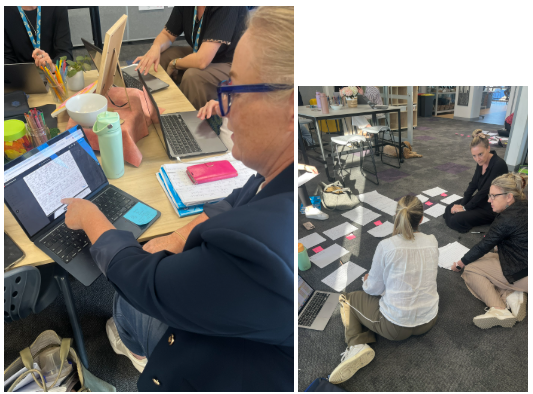
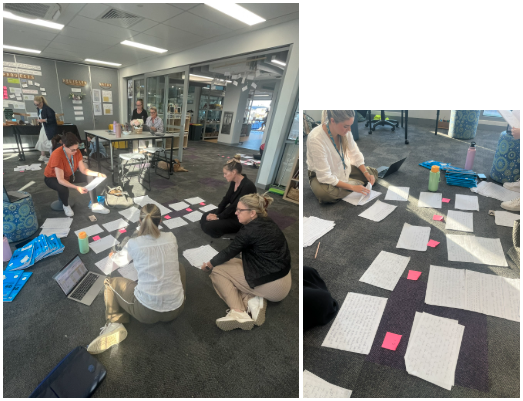
As part of our commitment to ensuring accurate and meaningful reporting of student learning and growth, educators have been coming together across the school to engage in moderation. This important process involves looking closely at the curriculum alongside a range of evidence, including student work samples, assessment data and observations of learning. Through professional discussion, collaboration and shared reflection, teachers work towards consistent and informed judgements about each child’s progress and achievement. This ensures that the information shared in student reports is fair, accurate and reflective of each child’s learning journey.

For example, in writing, teachers bring a range of student writing samples from across the year level and work together to consider how these align with the achievement standards and curriculum expectations. They look closely at features such as text structure, vocabulary, sentence construction, grammar and punctuation. Through discussion and comparison of student work, teachers develop a shared understanding of what achievement at different levels looks like, helping to ensure consistent and accurate judgements when reporting on student progress.


Learning and Teaching – Maths

Read Time: ( words)

Mathematics at MQH – Celebrating Learning and Growth!

As we approach the end of the school year, our educators are beginning the process of assessing and reporting on children’s achievement across all curriculum areas, including Mathematics.

We want to reassure families that this does not mean children will be experiencing an increased number of formal tests or assessments. Our regular units of learning will continue as planned, maintaining the familiar routines and consistency that support children’s learning. Educators will draw on a range of evidence gathered throughout everyday teaching and learning experiences to make informed judgements about each child’s progress and achievement.

PAT Maths Assessments – Celebrating Our Learners!

We would also like to acknowledge and congratulate our children in Grades 1–6 who have completed their PAT Mathematics assessments over the past two weeks.

PAT (Progressive Achievement Tests) Mathematics is a standardised assessment that provides educators with valuable information about children’s mathematical understanding, skills and development. Rather than simply measuring what children know at a particular year level, PAT helps us identify individual strengths, areas for further growth and progress over time.

Importantly, PAT is just one piece of the learning puzzle. The results are considered alongside classroom observations, learning tasks and ongoing assessments to help educators plan meaningful learning experiences that respond to each child’s needs.

At MQH, our focus remains on nurturing confident, capable mathematicians who are curious, willing to take risks and excited to grow in their learning

Learning and Teaching – RE

Read Time: ( words)

All Saints Day – 1st November 2026
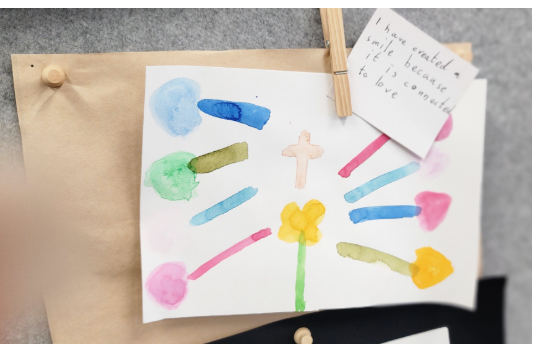
Loving God,

On this All Saints’ Day,
we give thanks for all the saints
who have shared your love with the world.

We especially give thanks for our MQH house patrons.

Like Mary, help us say yes to love and kindness.
Like Saint Joseph, help us serve with humility and care.
Like Saint Francis, help us respect creation and bring peace.
Like Saint Carlo Acutis, help us courageously use our gifts for good.

May their examples guide our school community
to live with Love, Respect, Courage and Humility
and let our light shine each day.

Mary, Queen of Heaven, and all saints of God,
pray for us.

Amen.


On 1 November, the Catholic Church celebrated All Saints’ Day, honouring all the saints who inspire us through their faith, love and service. At Mary Queen of Heaven, our house patrons—Mary, Saint Joseph, Saint Francis of Assisi and Saint Carlo Acutis—offer special examples for our community. Mary shows us love and trust in God; Joseph models humility and faithful care; Francis inspires peace and care for creation; and Carlo reminds us to use our gifts, including technology, for good. Their examples encourage us to live our values of Love, Respect, Courage and Humility and to “Let the Light Shine.”

Pope Leo XIV’s Message for All Saints’ Day – November 1, 2026

Today, as we celebrate All Saints’ Day, Pope Leo XIV reminds us of a beautiful and important truth: holiness is for everyone. We are all called to bring love, mercy and peace into our everyday lives.

In his Angelus address from St. Peter’s Square at the Vatican, he shared several beautiful reflections that invite us to look at our own lives and how we live our faith.

We are all called to be saints.

Becoming holy is not reserved for priests, religious sisters or extraordinary people. It is a universal calling.

As Pope Leo reminds us:

“Holiness is not a privilege reserved for a few, but a universal vocation that speaks to each of us where we live.”

Every one of us can grow in holiness through the way we live, love, forgive and treat others.

Choose love over evil.

Reflecting on the Beatitudes (Matthew 5:1–12), Pope Leo reminds us of the qualities that marked the lives of the saints: humility, mercy, gentleness, a hunger for justice, a commitment to peace and unwavering faith even in times of persecution.

The saints chose love over hatred, mercy over judgment and goodness over evil. Their example reminds us that we, too, are called to make those choices every day.

Never grow tired of making peace.

One of his most powerful reminders was:

“May we never grow weary of fostering peace, both in the most important situations and in the ordinary circumstances of everyday life.”

Peace is not just something we pray for in the world. It begins in our own homes, families, friendships, workplaces and communities.

It begins with us. With a willingness to forgive, to listen, to understand and to choose kindness even when it is difficult.

God sees the goodness that others may never see.

Perhaps one of the most comforting parts of his message is this beautiful reminder:

“God sees the good that we do not see, knows stories that we do not know and reaches hearts to which we have no access.”

What a beautiful thought to carry in our hearts!

Our small acts of kindness, our quiet sacrifices, our prayers, our tears and the love we give without expecting anything in return are never unnoticed by God.

The heart of Pope Leo’s message for All Saints’ Day:

You don’t have to do extraordinary things to become a saint. You can become holy through ordinary acts of extraordinary love.

Be patient. Forgive someone. Reach out to someone who is struggling. Choose kindness instead of anger. Make peace instead of creating division. Keep your faith even when life is difficult.

That is how we follow the example of the saints.

As we celebrate all those who have gone before us in faith, may we be inspired to live lives rooted in love, humility, compassion and holiness.

May the Blessed Virgin Mary accompany us on our journey towards holiness, and may all the saints in heaven pray for us.

A beautiful thought to carry in our hearts today:

We may never know how much good our little acts of love accomplish, but God sees every one of them.


Remembrance Day 

 

On Wednesday 11th November our school community will gather to honour the selfless men and women who served our country to bring peace and freedom that we enjoy today.

When is Remembrance Day?

Remembrance Day is observed every year on 11th November. The reason we observe Remembrance Day on 11th November is because the First World War formally ended at the 11th hour of the 11th day of the 11th month in 1918.

Why do we observe Remembrance Day?

Remembrance Day is a significant occasion that is observed in many countries around the world. It serves as a poignant reminder of the sacrifices made by people in times of war. We observe this special day to honour and pay tribute to those who selflessly served their countries, protecting our freedom and values.

Remembrance Day holds deep historical and emotional significance. It began as a day to mark the armistice signed between the Allied Forces and Germany, which brought about the formal end of the First World War on the 11th hour of the 11th day of the 11th month in 1918. Although this did not end all fighting, it did symbolically end the fighting on the Western Front. Since then, Remembrance Day has honoured all those who have lost their lives in conflicts throughout history.

It is also a way in which we can ensure that the people who fought and died for our freedom are never forgotten. It is a time to reflect on the horrors of war, the bravery of soldiers and the impact of their sacrifices on our lives. Through ceremonies, parades and moments of silence on Remembrance Day and Remembrance Sunday communities come together to honour their memory and express their gratitude.

The day also serves as a reminder of the importance of peace and unity. It prompts us to strive for a world where conflicts are resolved through dialogue and understanding rather than violence. It encourages us to work towards a future where the sacrifices of the past are not in vain.

In talking about why we celebrate Remembrance Day, we teach children about the significance of history and the importance of maintaining peace. It’s an opportunity to educate children and foster a sense of gratitude, empathy and respect for those who have served and those who serve today.

Students can purchase a poppy or pin from the front office. All proceeds from sales goes towards supporting veterans and their families from the Glenroy RSL. 


Fete News – Saturday 14th November

 Thankyou to families that have brought and returned your raffle tickets.  We are looking forward to seeing you all at our MQH popcorn stand run by our wonderful MQH staff!   

 

Term 4 Class Masses – Growing Together in Faith

This term, we warmly invite our families to join us as we celebrate our Grade Level Masses and continue to strengthen the partnership between home, school and parish.

With our parish community continuing to grow and now serving three Catholic primary schools, our class Masses have moved to Tuesday mornings to allow all schools the opportunity to celebrate the Eucharist throughout the term. We are grateful to our Parish of the Good Shepherd for making these celebrations possible and look forward to gathering together in prayer.

Term 4 Mass schedule

Tuesday 10th November  – Prep

Tuesday 1st December  – Combined Grade 2 & 3/4

Friday 11th December – Whole school end of year/Graduation Mass
 

Learning and Teaching – Inquiry

Read Time: ( words)

Inquiry Learning Walks!

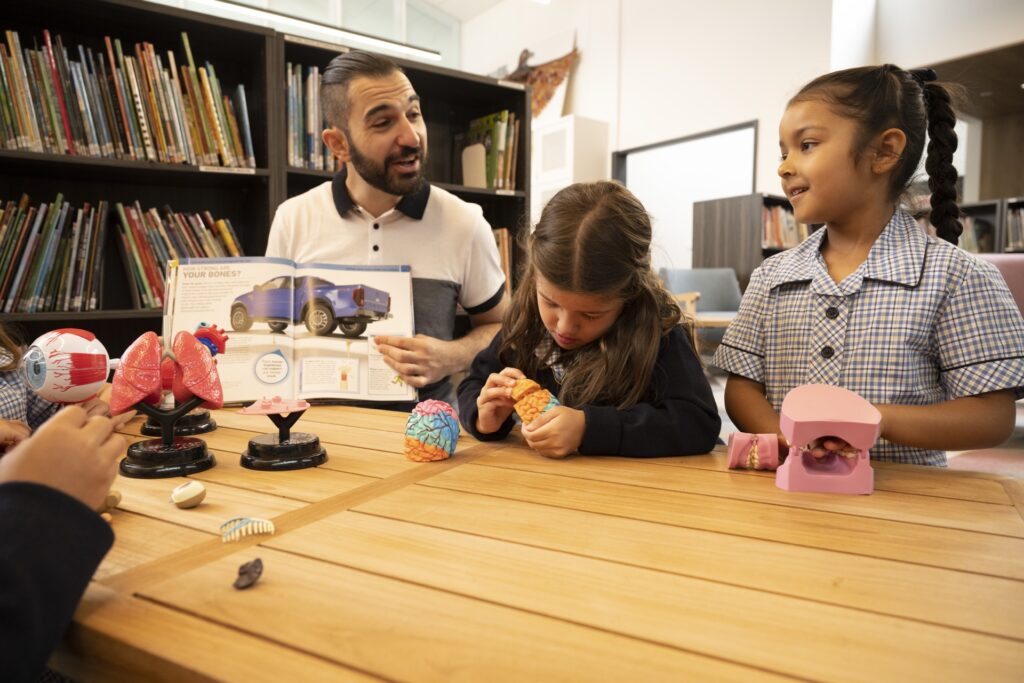
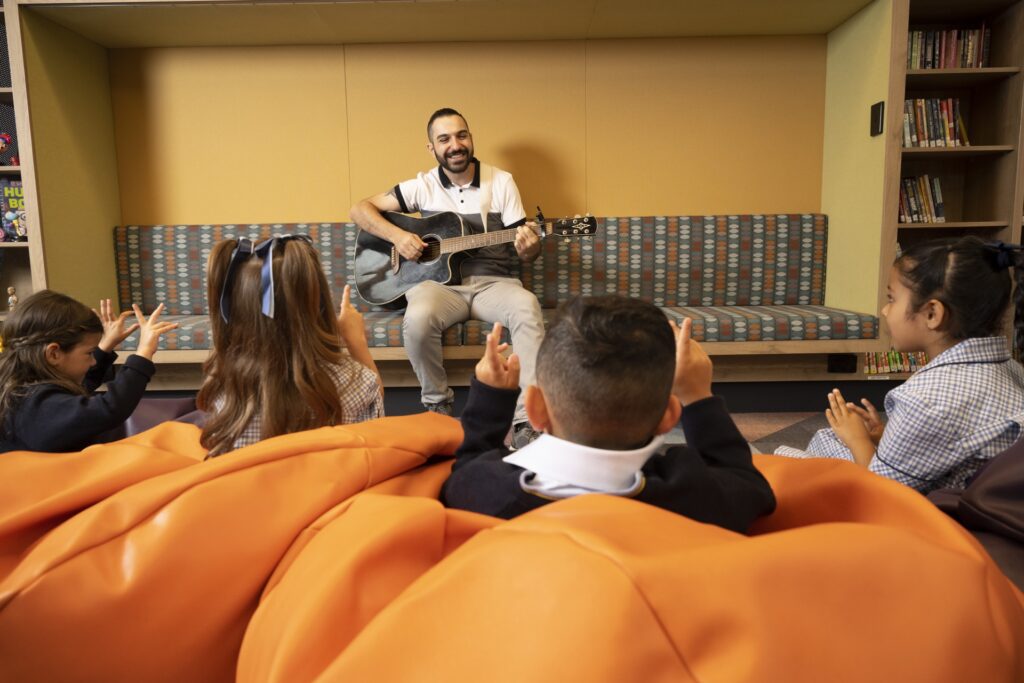
Have you ever wondered what Inquiry Learning looks like in action? This is a wonderful opportunity to step inside our learning spaces and see how our children explore, question, create and make sense of the world around them.

During the Learning Walk, families will gain a deeper understanding of our approach to Inquiry Learning, discover how our intentionally designed environments support curiosity and creativity, and see how educators nurture children’s thinking, independence and problem-solving skills.

At Mary Queen of Heaven, we believe children are capable, curious and full of wonder. We can’t wait to share how this belief comes to life in our classrooms!

Choose from one of two sessions:

  • Thursday 12 November 2026 | 9:00–10:00am
  • Friday 13 November 2026 | 9:00–10:00am

Both sessions will offer the same experience, so families only need to attend one.

We look forward to welcoming you into our learning spaces and celebrating the wonderful learning taking place at MQH!


Learning and Teaching – Wellbeing

Read Time: ( words)

Supporting Children to Navigate Friendships

Friendships are an important part of childhood, and learning to navigate the ups and downs of relationships is an essential life skill. As parents and educators, our role is to guide and support children as they develop the confidence and skills to manage friendships independently.

One helpful way to think about this is to be a “Friendship Coach”. Rather than stepping in to solve every problem, we can coach children from the sidelines, helping them develop resilience, empathy and problem-solving skills.

Here are some ways we can support children with their friendships:

  • Listen and empathise: Take time to listen to your child and acknowledge their feelings. What may seem like a small issue to an adult can feel very significant to a child.
  • Encourage problem-solving: Help children think about what they could do differently next time, rather than immediately solving the problem for them.
  • Build confidence to speak up: Encourage children to use their voice, express how they feel and practise respectful ways to stand up for themselves.
  • Recognise healthy friendships: Talk about the importance of kindness, trust and respect. Healthy friendships should help children feel safe, valued and included.
  • Practise what to say: Role-play different friendship situations and practise simple responses such as “That’s not kind”, “I don’t like that” or “That’s not cool”.
  • Be a positive role model: Children learn from what they see. Demonstrating kindness, respect and empathy in our own relationships helps children develop these same qualities.

Most importantly, knowing when to step in matters. While children need opportunities to practise managing friendship challenges, ongoing unkind behaviour or situations where a child feels unsafe require adult support. Working together, parents and teachers can ensure children feel heard, supported and safe.

Our message to children is simple: “You’ve got this!” We want to empower them with the confidence and skills to build positive friendships, navigate challenges and develop strong, respectful relationships.

For more helpful friendship tips please feel free to check out the parent portal of https://urstrong.com/parents/  

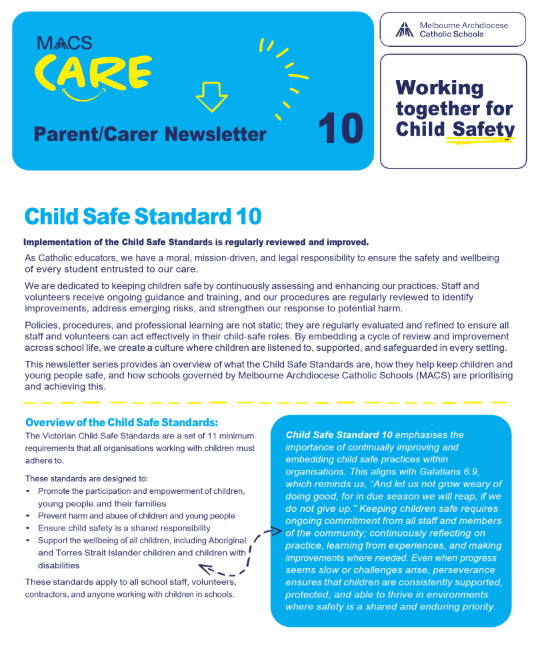
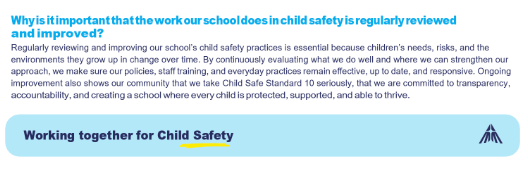
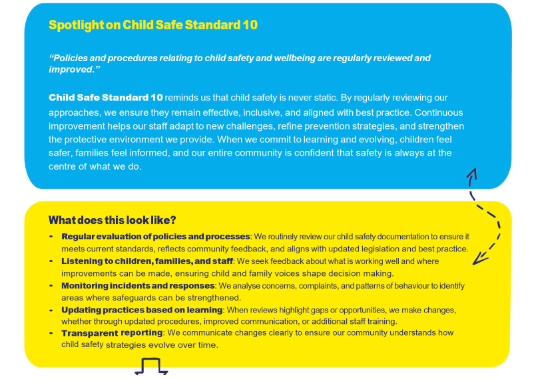
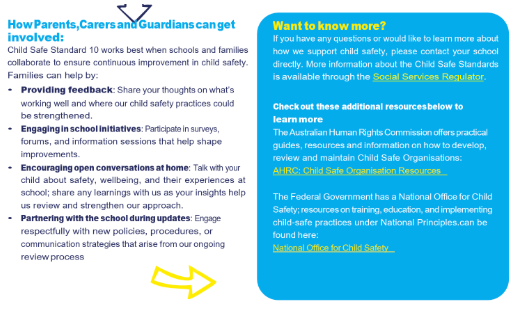
Child Safety

Read Time: ( words)


Hay Fever

Read Time: ( words)

Hay Fever: When Allergies Get in the Way of Learning

As the weather warms up, many children begin to experience the familiar symptoms of hay fever, or allergic rhinitis. We have had many children present to First Aid with hay fever symptoms. Hay fever is very common in Australia and is caused by an allergic reaction to environmental allergens such as grass, tree and weed pollens, dust mites, mould and animal dander. Despite its name, hay fever is not caused by hay and does not actually cause a fever.

What does hay fever look like?

Children experiencing hay fever may have some or all of the following symptoms:

  • Frequent sneezing
  • An itchy, runny or blocked nose
  • Itchy, watery or irritated eyes
  • An itchy throat or the need to frequently clear their throat
  • Mouth breathing or snoring due to a blocked nose
  • Headaches or a feeling of pressure around the face

Symptoms can be seasonal, particularly when pollen levels are high, or can occur throughout the year depending on the allergen involved. Hot, windy days and thunderstorms during pollen seasons can make symptoms worse for some children.

How can hay fever affect learning?

Hay fever is sometimes dismissed as simply being a nuisance, but for some children the symptoms can have a genuine impact on their ability to learn and participate at school.

A blocked or runny nose, itchy eyes and constant sneezing can make it difficult for a child to concentrate on the teacher or complete their work comfortably. More significant symptoms can also interfere with sleep, which may result in daytime tiredness, headaches and reduced concentration. ASCIA notes that allergic rhinitis can significantly affect sleep, concentration, learning and daily functioning.

This can sometimes look like a child is distracted, tired, disengaged or not trying their best, when in fact they are simply struggling with untreated allergy symptoms.

How can hay fever be treated?

There are a number of effective treatments available for allergic rhinitis. Depending on the child’s symptoms, a doctor or pharmacist may recommend options such as:

  • Non-sedating antihistamines, including tablets, syrups, nasal sprays or eye drops
  • Saline nasal sprays or rinses
  • Anti-inflammatory corticosteroid nasal sprays
  • Combination nasal sprays containing a corticosteroid and antihistamine
  • Strategies to reduce exposure to known allergens

Families should always seek advice from their child’s doctor or pharmacist about which treatment is appropriate for their child.

Supporting your child at school

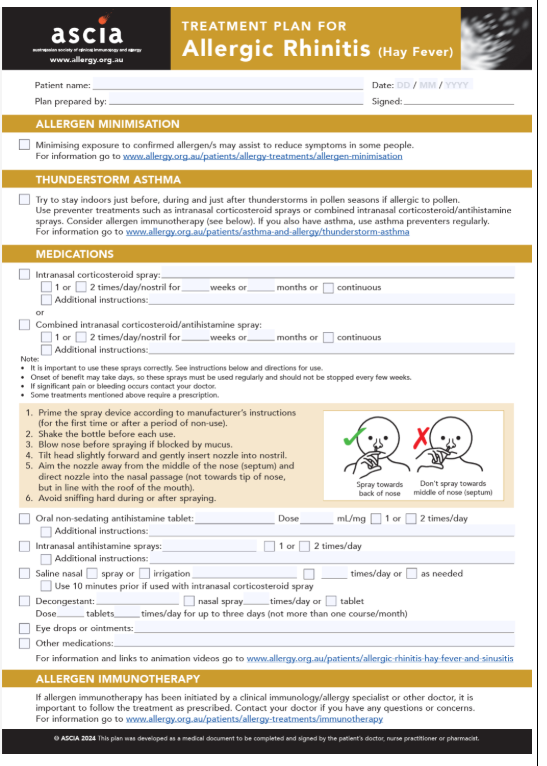
If your child’s hay fever symptoms are affecting them during the school day, it is important to let the school know. Families should speak with their child’s doctor about completing an ASCIA Treatment Plan for Allergic Rhinitis. This medical plan outlines the child’s recommended treatment and can help families and the school understand what has been recommended for managing their child’s symptoms. The plan is completed by a doctor, nurse practitioner or pharmacist.

Where medication needs to be administered at school, families should provide the school with the relevant medical information and discuss the school’s medication procedures with staff. Working together means that everyone understands the child’s needs and the agreed approach to managing symptoms during the school day.

Working together for healthy learners

Hay fever may be common, but that does not mean children should simply have to put up with symptoms that interfere with their learning. If your child regularly experiences sneezing, congestion, itchy eyes, tiredness or difficulty concentrating, particularly during certain seasons, it may be worth discussing their symptoms with your doctor or pharmacist.

For more information about allergic rhinitis and the ASCIA Treatment Plan, families can visit the Australasian Society of Clinical Immunology and Allergy (ASCIA) website.


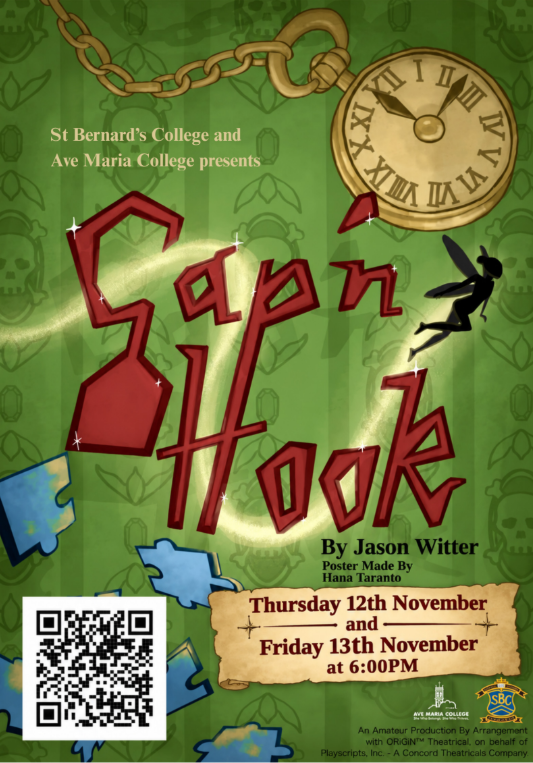
Ave Maria College and St Bernard’s College Year 9 Play

Read Time: ( words)

Parish Fete

Read Time: ( words)

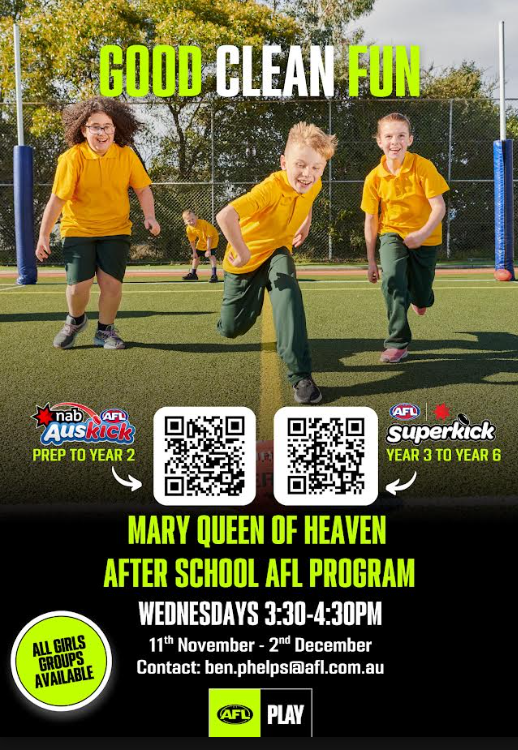
AFL Program

MQH PROMO 4
Read Time: ( words)

Skip to content