Skip to content

Mary Queen of Heaven Newsletter Term 2 – Week 5

21st May 2026

A word from the Principal


Dear families,

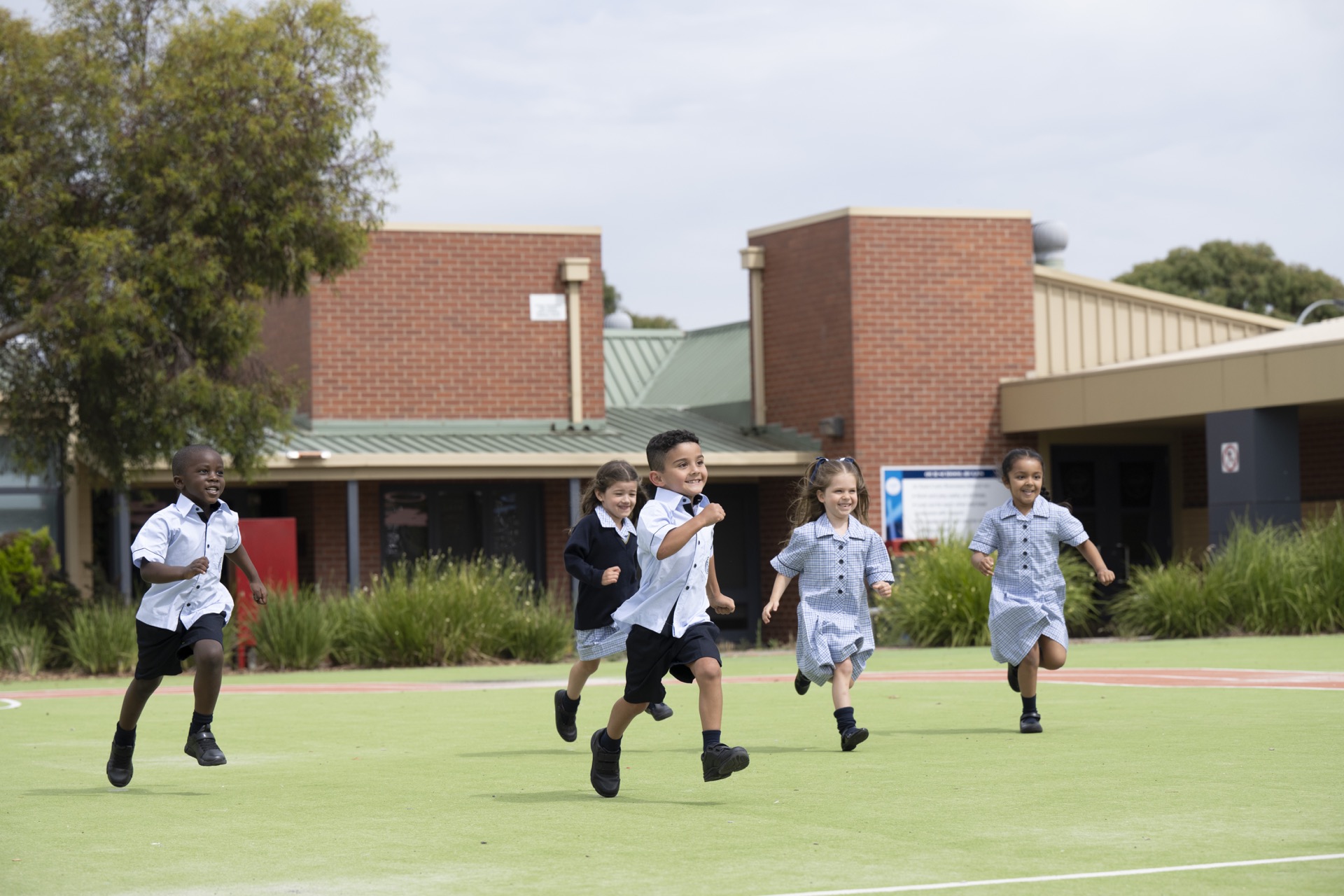
As we move further into the term, we have been incredibly blessed with magnificent weather, with the cold and wet only just beginning to arrive. The sunshine has allowed our students and staff to fully enjoy our outdoor spaces and continue the exciting improvements taking place across our school grounds.

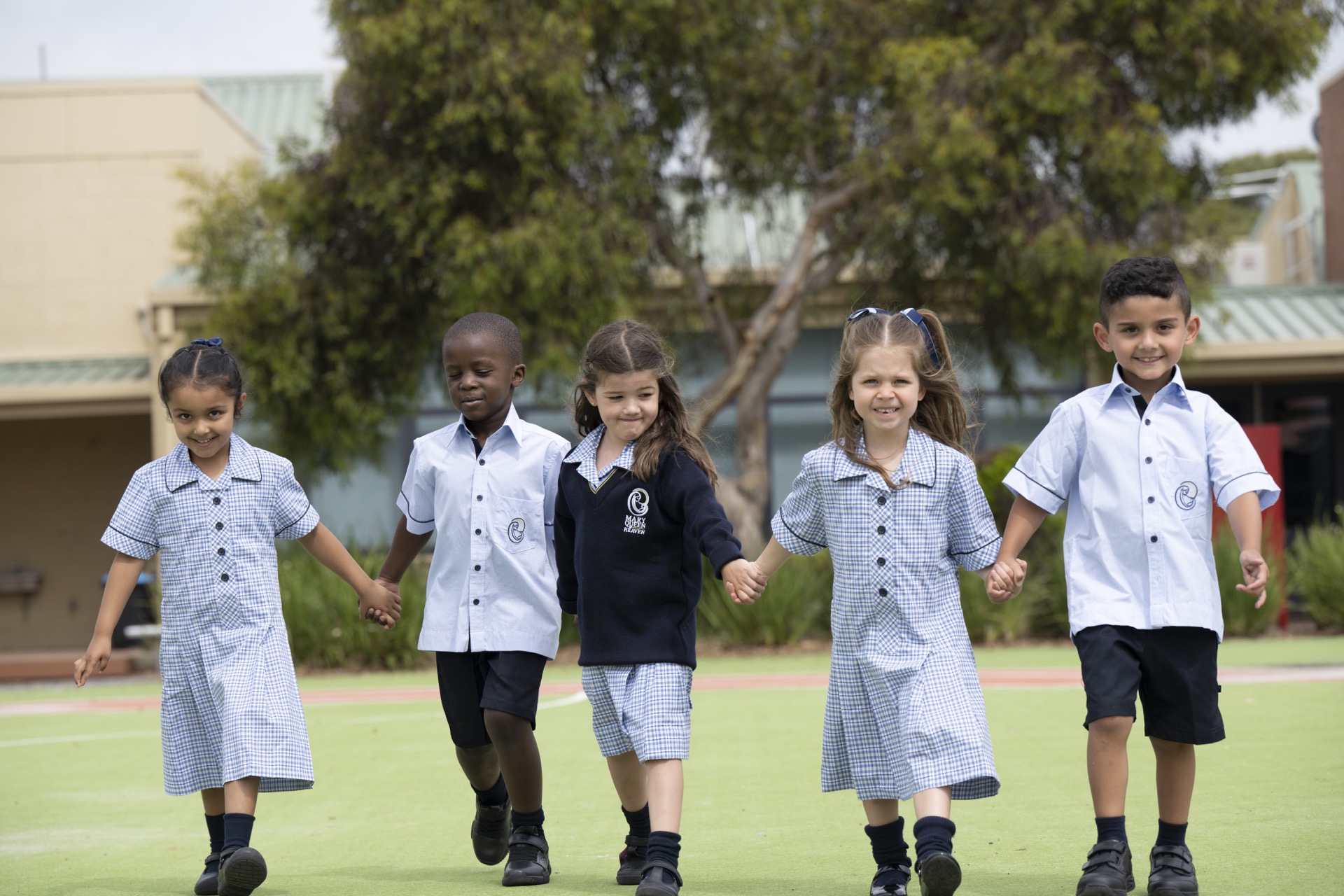
I hope families are beginning to notice the beautiful transformations occurring around the school. Our children are immensely proud of the work they have contributed towards creating and enhancing spaces such as our Friendship Tree, the Community Garden and, of course, our much-loved David Attenborough Garden. These projects not only brighten our environment but also foster student ownership, pride and connection to our community.

Slowly but surely, we are continuing to beautify the spaces we are so fortunate to share, creating welcoming environments that inspire learning, play and belonging for all.

Mother’s Day 

Thank you to all of the mums and motherly figures who attended our school’s Mother’s Day festivities. It was wonderful to see so many of you there in such large numbers. The buzz around the school during the classroom visits and Mother’s Day stall was truly beautiful to witness.

We hope you all felt spoiled, appreciated and loved,  just as you so deeply deserve. Thank you for the countless ways you nurture, support and care for our children and community each and every day.

HUGE thanks to BIG Childcare who always generously sponsor the morning tea to ensure they too spoil our mums. 

Family Engagement walks

This week, it has been a delight to welcome many families in for our Family Engagement Walks. These learning walks provide our families with a genuine insight into the running of our programs, the educational thinking and research behind them, and how the many parts of our day at school unfold.

The feedback we have received from families has been overwhelmingly positive, and we are so grateful for the partnership and support of our community. It has been wonderful to share the learning experiences of our students and celebrate the incredible work happening across our school each day.  The feedback from those who have attended has been so positive.

Family Engagement and volunteering

As a growing community, we rely on parent and family support to keep things going. At times, families are invited to help with excursions, in-school help, and compiling resources. All volunteers must have a current working with children check (WWCC). You can apply for a WWCC from https://service.vic.gov.au/services/working-with-children. Additionally, volunteers are expected to complete the MQH volunteer workshop (this is a simple, online process.)  If you are likely to volunteer at MQH, please complete these checks in advance to ensure you qualify to help.  Contact the office for assistance.

Prep interviews

This week, we began our Prep interviews for 2027. What a wonderful way to begin getting to know our incoming Prep students and to offer them a genuine Mary Queen of Heaven welcome.

Interestingly, this year almost two-thirds of our enrolments are siblings of current or past students, which is a beautiful reflection of the trust and connection families feel within our community. We will be offering a total of 78 Prep positions for 2027 and are excited to welcome these new families into the life of our school.

Sibling Photos

Following a technical issue on the day of our school photos earlier this term, sibling photos have been rescheduled for tomorrow Friday 22nd May 2026.

Please ensure that all children are wearing full winter uniform on the photo day. This includes any combination of the Winter tunic, jumper, puffer vest, short or long sleeve shirt, and long pants or shorts.

We are looking forward to everyone looking smart and ready for their photos, and to capturing some beautiful memories for our school community.

Homework

At Mary Queen of Heaven, all of our approaches to learning and teaching are evidence based. With this in mind, our Homework Policy focuses on fluency, repetition and meaningful learning experiences, rather than traditional homework sheets or large amounts of written work.

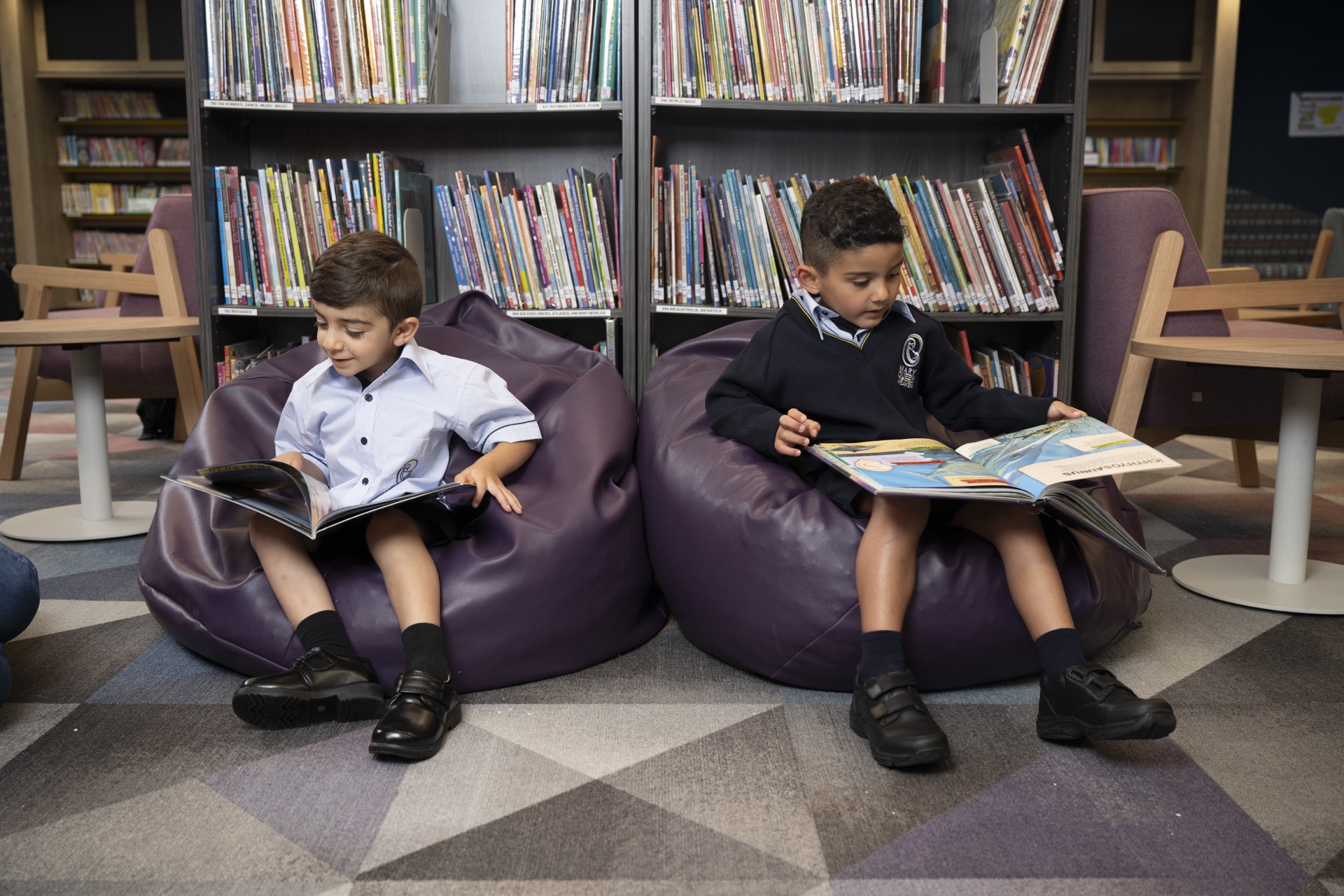
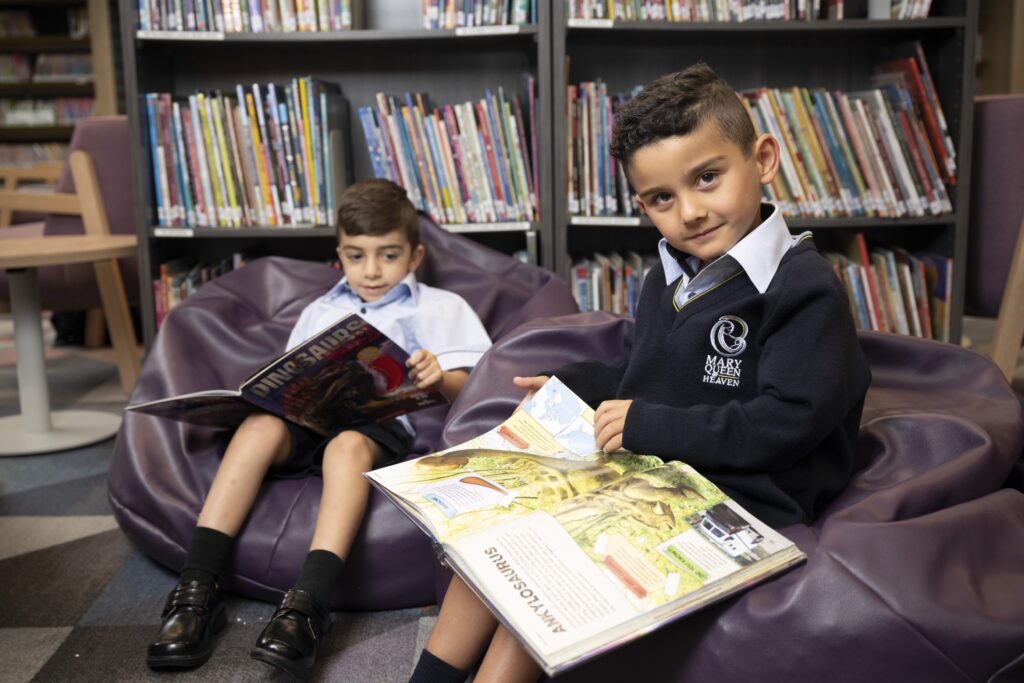
We strongly encourage all children to read every night, as regular reading is one of the most powerful ways to build confidence, comprehension and fluency. Students may also be asked to practise number skills, phonics, spelling or word work at home, depending on their individual learning needs.

Our approach recognises that learning also happens naturally through everyday family experiences. Activities such as cooking, shopping, gardening, playing games, building, writing lists or stories, and talking together about learning all provide rich opportunities for children to develop important lifelong skills.

Research shows that personalised home learning, supported by family and connected to classroom learning, is far more effective than a one-size-fits-all homework model. We value the important role families play as children’s first educators and aim to strengthen the partnership between home and school through ongoing communication and support.

Recommended daily home learning time is:

  • Prep: 10–15 minutes
  • Years 1–2: 15–20 minutes
  • Years 3–6: 20–30 minutes

Thank you for supporting your child’s learning journey through regular reading, practice and meaningful family experiences.

Extended holidays

If you are planning an extended family holiday and require your children to be absent from school, we ask that this is communicated to the school in writing well prior to your departure.

As a school, we are mandated to maintain accurate attendance records, and this communication supports our data collection and attendance processes. Your cooperation in notifying the school ahead of time is greatly appreciated.

 Swimming
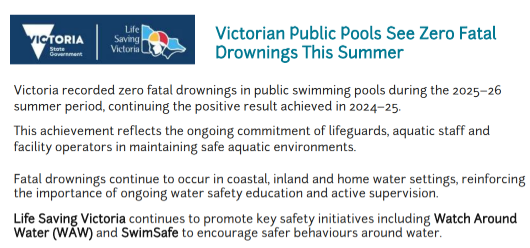
At Mary Queen of Heaven, we strongly encourage all families to participate in swimming lessons for their children. Australia has a strong culture of water sports and water-based activities, making it essential that our young people become confident and capable around water.

Each year, we are committed to delivering water awareness and water safety programs for all students, including our annual Water Safety Program facilitated by Life Saving Victoria. This valuable experience teaches children important water safety knowledge, how to manage themselves safely around water, and what to do if they ever find themselves in difficulty.

Water safety and learning to swim are crucial life skills for everyone living in Australia, and we strongly recommend that all children engage in regular swimming lessons.

In Term 4, we further support this learning through practical experiences. Our junior students attend excursions to the beach, where they participate in water safety activities and supervised water experiences, while our senior students attend swimming programs at local pools. These opportunities are designed to build upon students’ knowledge, confidence, and understanding of safe behaviours around water.

We encourage all families to ensure their children are enrolled in swimming lessons, or to consider this as an important option for their family.
Learning and Teaching – Literacy

MQH PROMO 4
Read Time: ( words)

Our Reading Approach 


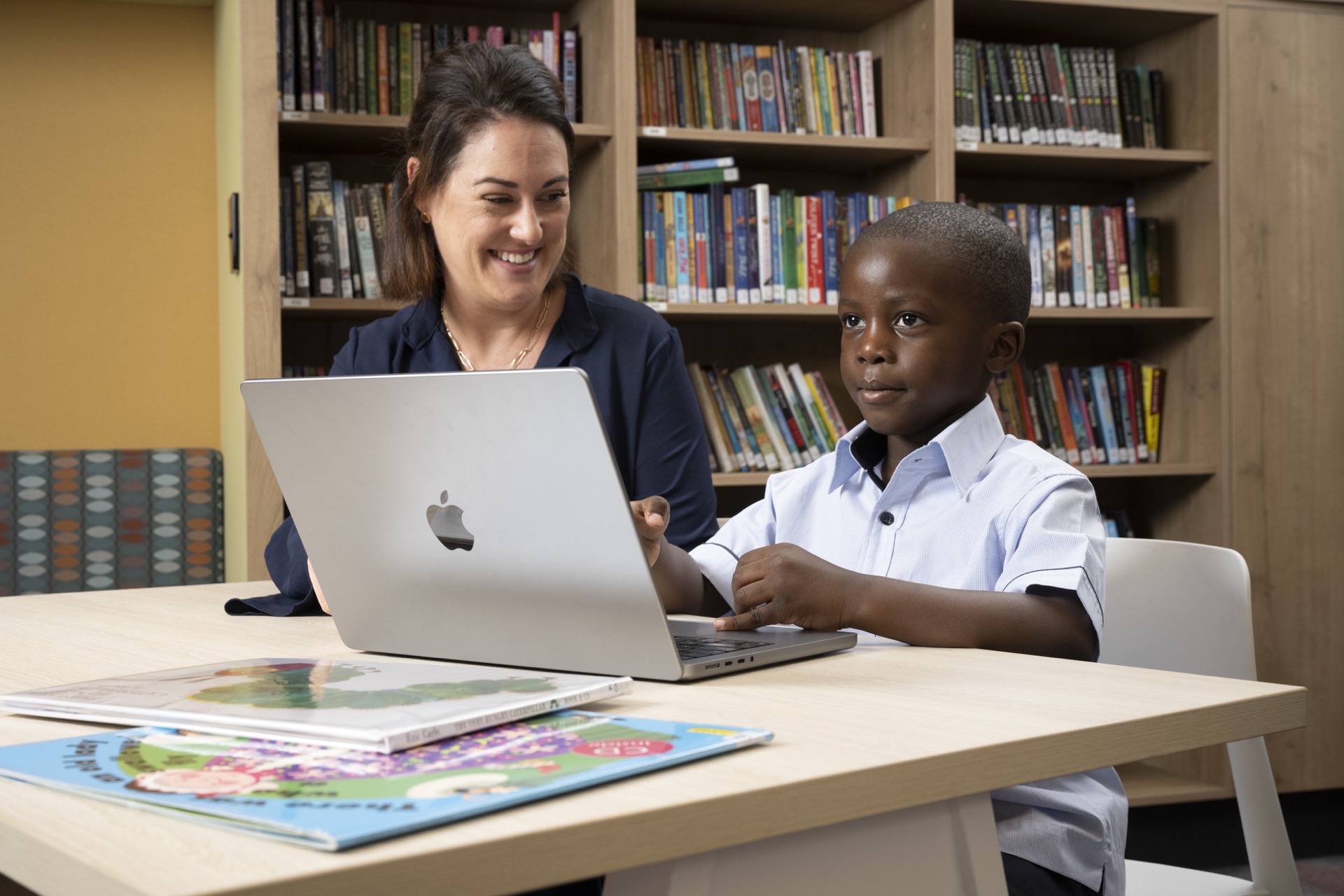
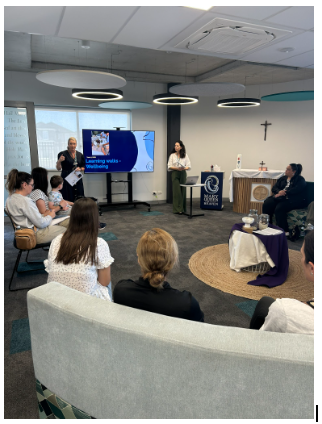
This week, we engaged in Learning walks for families as a means of providing an insight into our approach to teaching reading at Mary Queen of Heaven.


Reading is ultimately about making meaning. The end goal of reading is comprehension, the ability to understand, think about, and talk about what a text is saying. This includes stories, information texts, and the many everyday texts children read and use.

In literacy learning, we focus on key areas that all work together to support strong readers:


  • phonemic awareness (hearing and working with sounds in spoken words)
  • phonics (learning the relationship between letters and sounds)
  • fluency (reading smoothly, accurately, and with expression)
  • vocabulary (knowing and understanding words)
  • comprehension (making meaning from what is read)
  • oral language (talking, listening, and understanding, which underpins everything)


In the junior years, we begin with explicit phonics instruction as a key foundation for early reading. However, this is never taught in isolation. Students are also exposed to a rich range of texts, including both decodable readers and authentic literature, so they can apply their skills in meaningful contexts.


To support comprehension, we focus on teaching a range of strategies across all year levels, such as: 


  • predicting what might happen
  • making connections to what they already know
  • asking and answering questions about the text
  • visualising what is happening while reading
  • summarising key ideas in their own words


At our school, we use InitiaLit in Prep-2 as a structured, evidence-based literacy program. We have seen a strong impact from this approach in supporting early reading development.  We also implement Literacy Enhancement to support students who require additional assistance and to help close learning gaps.


In 3-6 we engage in Novel studies, which goes beyond simply teaching a book. Novel studies encourage students to engage deeply and meaningfully with texts. Novel studies:

  • develop critical reading comprehension and analytical thinking skills
  • support students to “read between the lines” and think beyond the text
  • balance teacher guidance with student-led discussion and analysis
  • empowers students to develop and refine comprehension and interpretation skills
  • creates opportunities to foster a love and appreciation for reading
  • allows multiple learning goals and curriculum outcomes to be addressed in one unit
  • integrates reading and writing skills in a cohesive and authentic way


Children learn at different rates and in different ways. Some students may need extra support along the way, and this is a normal part of learning rather than a reflection of the program itself. Our teaching is designed to meet students where they are and support every child to grow in confidence, skill, and understanding over time.


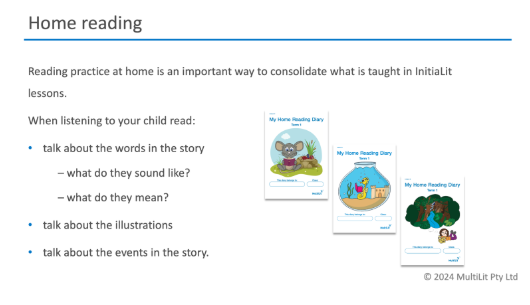
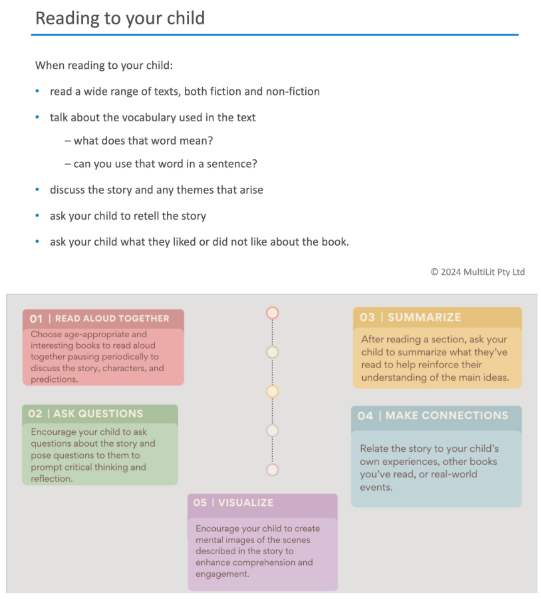
Below are some ways you can support your child’s reading at home:


Victorian Premiers’ Reading Challenge 


As you are aware, we are also taking part in the Victorian Premiers’ Reading Challenge. This is a great way to encourage reading at home and build a love of books. If you wish for your child to take part, please reach out to Kate kmitchell@mqhgreenvale.catholic.edu.au. Once set up, families can log reading and celebrate progress throughout the challenge.


Dani De Luca

Literacy Leader


Learning and Teaching – Maths

Read Time: ( words)


Playing Cards and Maths at Home: Turning Everyday Play into Powerful Learning

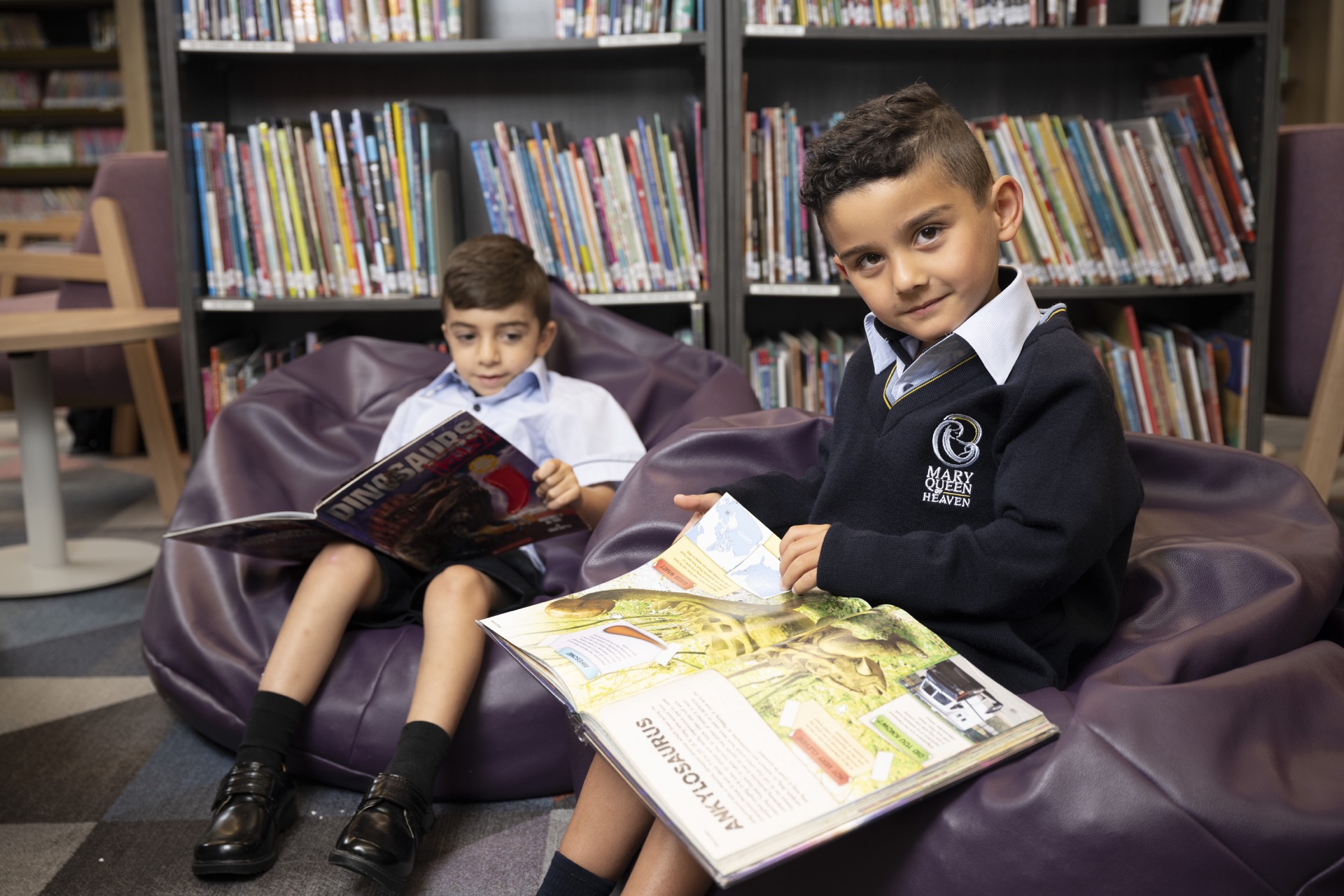
Maths doesn’t only happen at school—it’s everywhere, especially in the games children already love to play. One of the simplest and most effective tools for building mathematical understanding at home is a humble deck of playing cards.

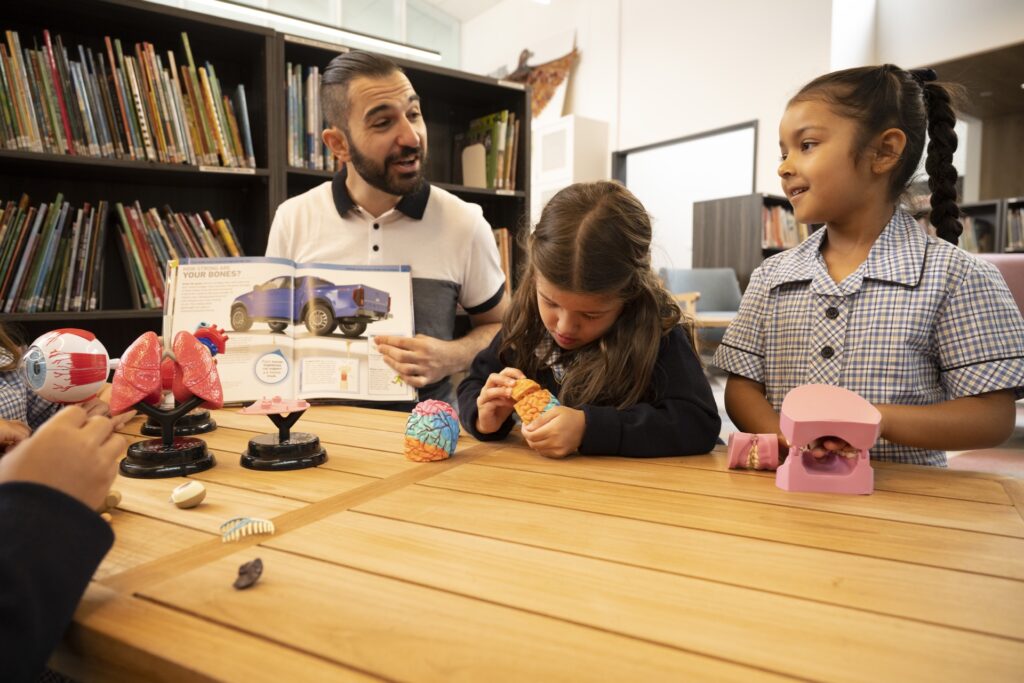
Playing card games helps children develop number sense, mental computation, problem-solving skills, and strategic thinking—all while having fun with family. The best part is that it doesn’t feel like “learning,” but the maths is happening naturally in every turn, shuffle, and play.
Why Playing Cards Support Maths Learning

Playing cards are powerful because they are flexible and easy to adapt for different ages and skill levels. Children can explore:
  • Number recognition – identifying numbers quickly and confidently
  • Subitising – recognising small quantities without counting
  • Addition and subtraction – combining or removing values in games
  • Place value and number comparison – deciding which card or hand is greater
  • Probability and chance – noticing patterns and making predictions
  • Strategic thinking – planning moves and considering outcomes

These are foundational skills that directly support classroom learning across all year levels.

Easy Games to Try at Home

Here are some simple, engaging games you can play with just a deck of cards:

  1. Make 10 (or 20 or 50!)
    Each player is dealt two cards. The goal is to add them together to make a target number. You can adjust the target depending on your child’s ability.

2. Challenge (Greater or Less Than)

Each player flips a card. The highest card wins the round. Extend the challenge by asking: “How much bigger is your card?”

  1. Addition Battle
    Each player flips two cards and adds them together. The highest total wins.
  2. Make the Biggest Number
    Players flip three cards and arrange them to create the largest possible number. This is great for understanding place value.
  3. Snap (Maths Version)
    Instead of matching numbers, players “snap” when two cards add up to 10.

You can extend the learning by asking simple questions during play:

  • “How did you work that out?”
  • “Is there another way to get that answer?”
  • “What do you notice about the cards you keep getting?”
  • “Can you predict what might happen next?”

These small moments of discussion build mathematical reasoning and confidence.

You don’t need long sessions to make an impact. Even 10–15 minutes of card games a few times a week can strengthen your child’s number fluency and problem-solving skills in a meaningful way.

Most importantly, it helps children see maths as something enjoyable, social, and part of everyday life.

So next time you’re looking for a simple family activity, grab a deck of cards—you might be surprised just how much learning is packed into every game.


Learning and Teaching – RE

Read Time: ( words)


May the Month of the Rosary 

“Mary treasured all these things and pondered them in her heart.”
Gospel of Luke 2:19

During the month of May, the Catholic Church traditionally honours Mary, the Mother of Jesus, in a special way through prayer and reflection on the Rosary. At Mary Queen of Heaven School, students will be learning more about the Rosary as a prayer of peace, hope and connection with God.

During the month of May, we warmly invite families to join us in honouring Mary through prayer and reflection on the Rosary. The Rosary is a beautiful way to pause together, give thanks, pray for others and grow closer to Jesus through the example of Mary.

Praying the Rosary with children can be simple, meaningful and age appropriate. Families may like to:

  • Pray one decade of the Rosary together each evening
  • Create a family prayer space with a candle, cross or image of Mary
  • Use Rosary beads while listening to calming music or scripture
  • Invite children to share people or intentions they would like to pray for
  • Draw or reflect on one of the Mysteries of the Rosary
  • Pray while walking together or spending time in nature

For creative ideas, videos and child-friendly ways to explore the Rosary at home, families may enjoy visiting:

As a faith community, may this month of May be an opportunity to slow down, pray together and follow Mary’s example of love, faith and trust in God.

God.

The Rosary is also a prayer of reflection and contemplation. As we pray, we think deeply about the life of Jesus and Mary, just as Mary “pondered” these sacred moments in her heart.


For us, this scripture reminds us to:

  • pause and reflect prayerfully,
  • notice God’s presence in everyday life,
  • keep important moments close to our hearts,
  • and respond with faith, trust and love.

First Prep Liturgy 

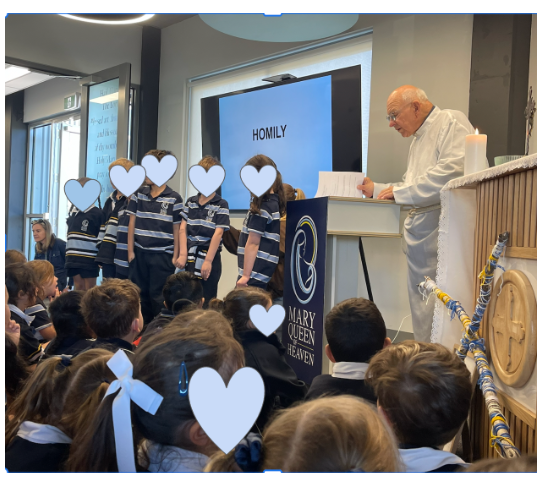
Congratulations to our Prep students on celebrating their very first liturgy. It was a beautiful and reverent occasion, and we were so proud of the way our youngest learners participated with confidence, joy and respect as they gathered together in faith.

A sincere thank you to our educators for preparing the students so thoughtfully and supporting them to engage so beautifully in this special celebration. Your care and guidance helped make this such a meaningful experience for our Prep students and families.

Thank you also to the many families who attended and joined us in prayer. Your presence helped strengthen the partnership between home, school and parish, reminding our students that we grow together as a faith-filled community.

May this be the beginning of many special moments of prayer, wonder and connection with God for our Prep students at Mary Queen of Heaven School. We thank Fr. Vel for stepping in during Fr Dishan’s absence. 


Class mass dates for Term 2


Friday 29th May – Gr 1

Friday 12th June – Gr 2

Friday 19th June Gr ¾


Gospel Values in Action

At Mary Queen of Heaven School, we are continually inspired by the ways our students live out their faith through acts of compassion and generosity.

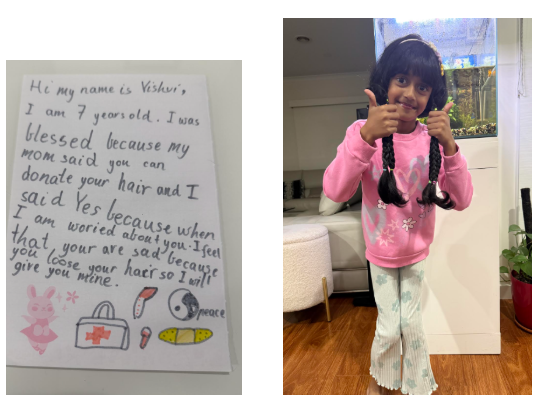
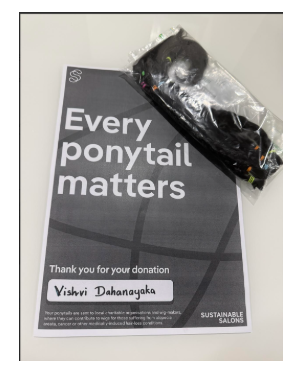
Recently, Vishvi in Grade 2A demonstrated true “Faith in Action” by generously donating her hair to support those experiencing hair loss due to illness. This selfless act was a beautiful example of kindness, courage and thinking of others before herself.

Through this thoughtful gesture, she reminded us that even small acts of love can make a meaningful difference in the lives of others. We are incredibly proud of the empathy and compassion Vishvi has shown, reflecting the Gospel call to care for and support those in need.

“Let all that you do be done in love.”
— First Letter to the Corinthians 16:14


Learning and Teaching – Inquiry

Read Time: ( words)

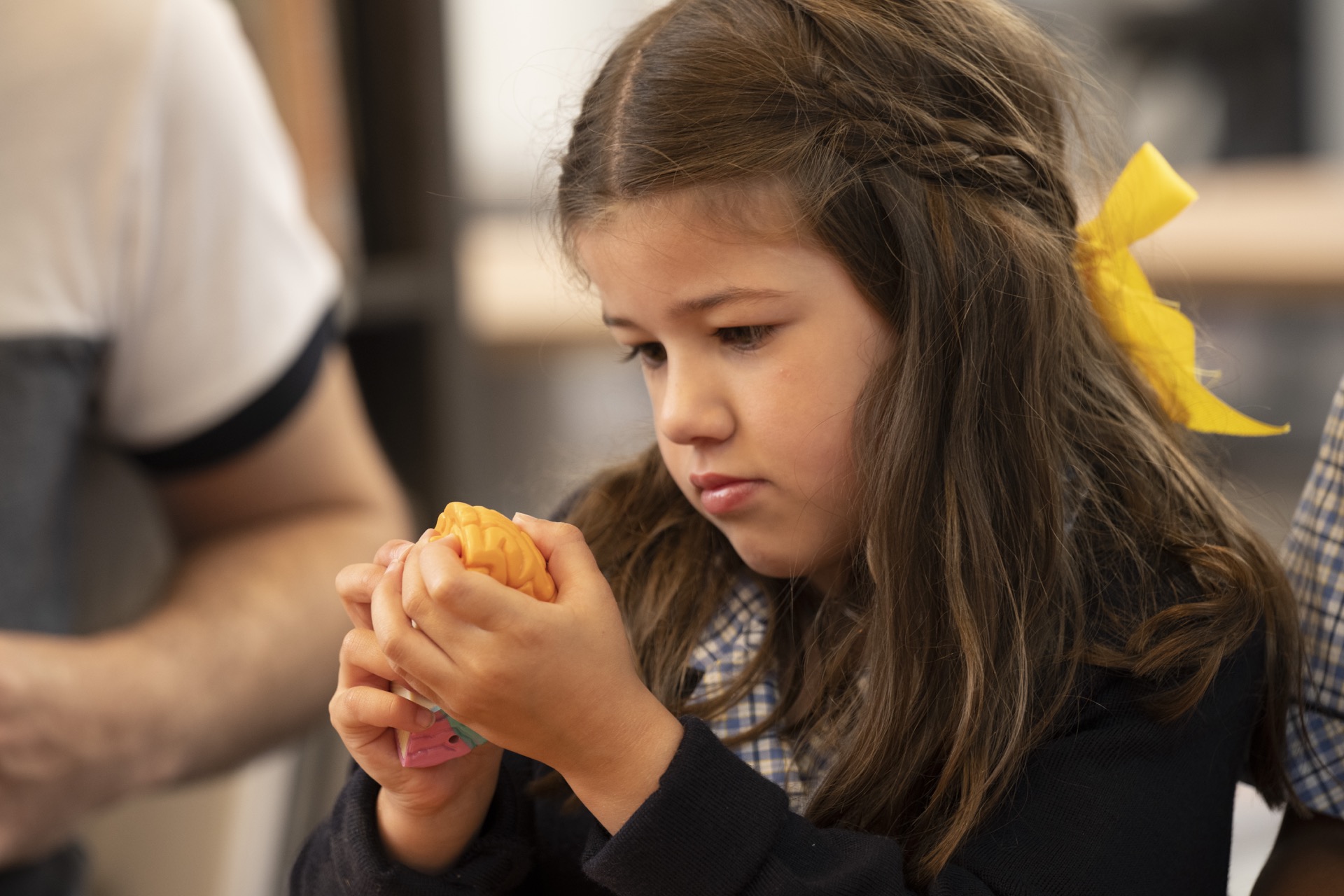
This term, our Inquiry learning has continued to invite children to wonder, observe, question and make meaning about the natural world around them. Across the school, children have been engaging with rich experiences that encourage them to think like scientists, designers, artists and researchers as they explore living things, environments, change, growth and relationships within nature.

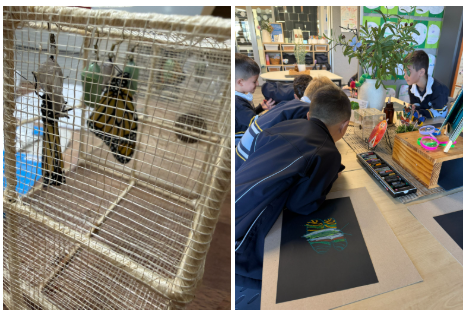
Our junior classes have had a particularly exciting start to the term, with real chrysalises in their learning spaces. The children watched with great anticipation as butterflies emerged, giving them a powerful opportunity to observe life cycles in action. There was much joy and wonder as the children released the butterflies, connecting their learning to care, respect and responsibility for living things.

In Grade Two, we have also welcomed some new fish into the classrooms. These new additions have sparked curiosity and conversation as children observe their features, behaviours and needs. The fish are already helping children develop a deeper understanding of how living things depend on their environment to survive and thrive.


Wellbeing

Read Time: ( words)


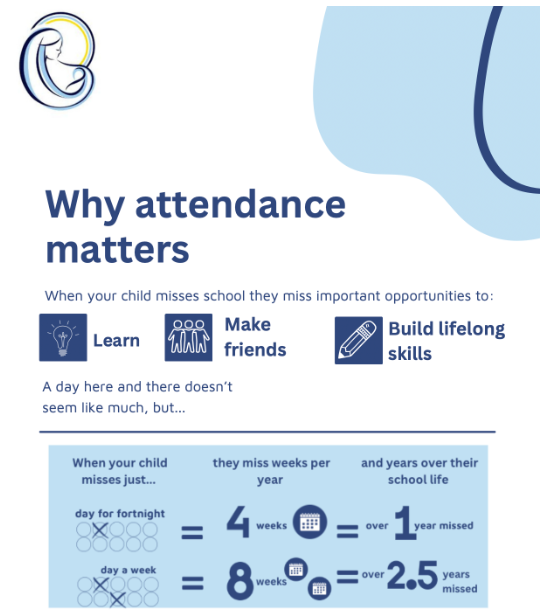
Regular school attendance is important for every child’s learning, wellbeing and sense of connection. Being at school each day helps children build friendships, develop confidence, establish routines and stay engaged in their learning. Arriving at school on time is equally important, as it helps students begin the day calmly, participate in morning routines and ensure they do not miss important instructions or learning opportunities at the start of the day.

While the occasional absence or late arrival may not seem significant, days off “just because” and repeated late starts can quickly add up over time. Missing learning time regularly can impact a child’s progress, confidence and sense of belonging within the classroom.

We understand that there are times when children may need support with attendance, and we value working in partnership with families to ensure every child feels safe, supported and ready to learn. Creating consistent routines, arriving on time and maintaining regular attendance all help children feel settled and successful at school.

If your child is unwell, we ask that they stay home to rest and recover. Keeping sick children at home helps prevent the spread of illness and supports the health and wellbeing of all students and staff.

Thank you for your ongoing support in helping every child attend school regularly, on time and ready to learn and thrive. If you require any support please feel free to reach out to Sarah – Wellbeing Leader. 


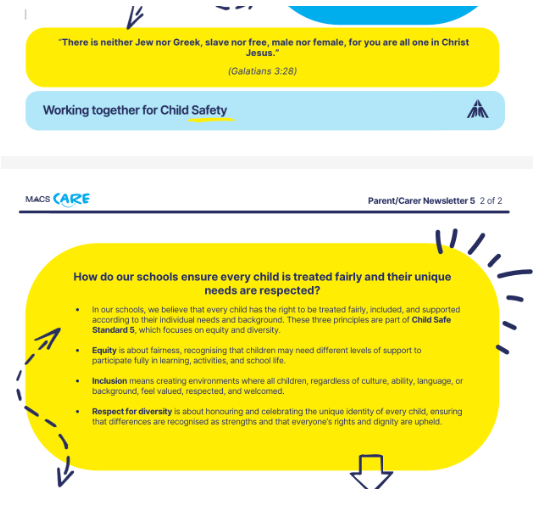
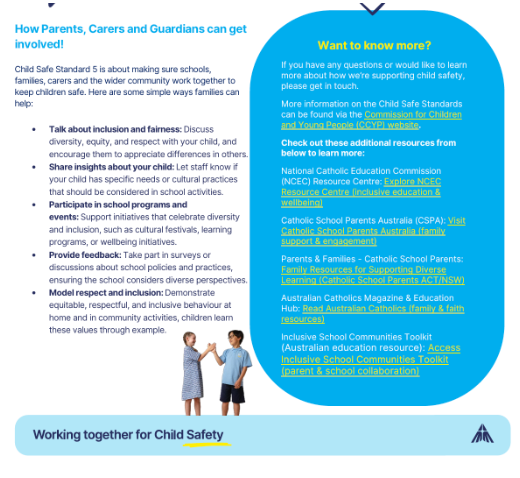
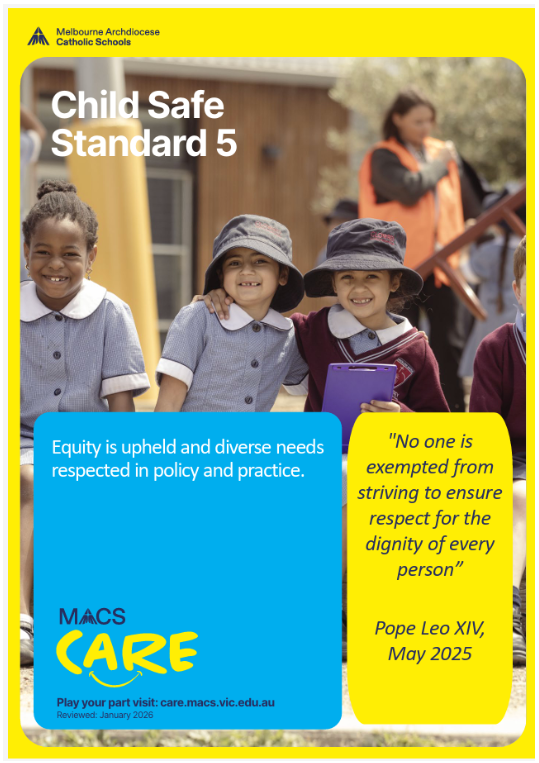
Child Safety

Read Time: ( words)

Learning Diversity

Read Time: ( words)

What does a diagnosis mean?

A learning difficulty diagnosis can feel like a daunting step for families and educators alike. It often brings with it a mix of emotions—relief, uncertainty, concern, and sometimes even hesitation about what comes next. However, it’s important to understand that a diagnosis is not a label that limits a child; it is a tool that opens doors.


When a learning difficulty is identified, it provides clarity. Instead of guessing why a child may be struggling, we gain insight into how they learn best. This understanding allows teachers, specialists, and families to tailor support strategies that align with the child’s needs; whether that includes targeted interventions, classroom adjustments, or access to specialised services. Most importantly, it helps the child experience success in ways that might not have been possible before.


Avoiding or delaying this conversation, while often well-intentioned, can unintentionally hold a child back. Without a clear understanding of their learning profile, children may continue to face unnecessary challenges, leading to frustration, reduced confidence, and missed opportunities to build foundational skills. Early identification enables early support and early support can make a profound difference in both academic progress and emotional wellbeing.


A diagnosis also empowers families with knowledge. It provides a shared language to advocate for the child, access appropriate resources, and make informed decisions about their education. Rather than focusing on limitations, it highlights strengths and creates a pathway forward.


Having the conversation may feel difficult, but it is ultimately an act of support and advocacy. By addressing concerns early and openly, we give children the best chance to thrive, equipping them with the tools, understanding, and confidence they need to succeed. When educators raise concerns with a family, it is because they care about their child and want to ensure they have access to the best pathway forward. If you have concerns that your child may have a learning difficulty, please discuss this with your child’s teacher.

A word from our Specialist – STEM

Read Time: ( words)

FROM THE STEM ROOM…

After exploring Digital Technologies in Term 1, students across all year levels have now launched into an exciting new STEM theme – Space! Through hands-on investigations and creative design challenges, students have been discovering the “Science” component of STEM while building curiosity about the world beyond Earth.

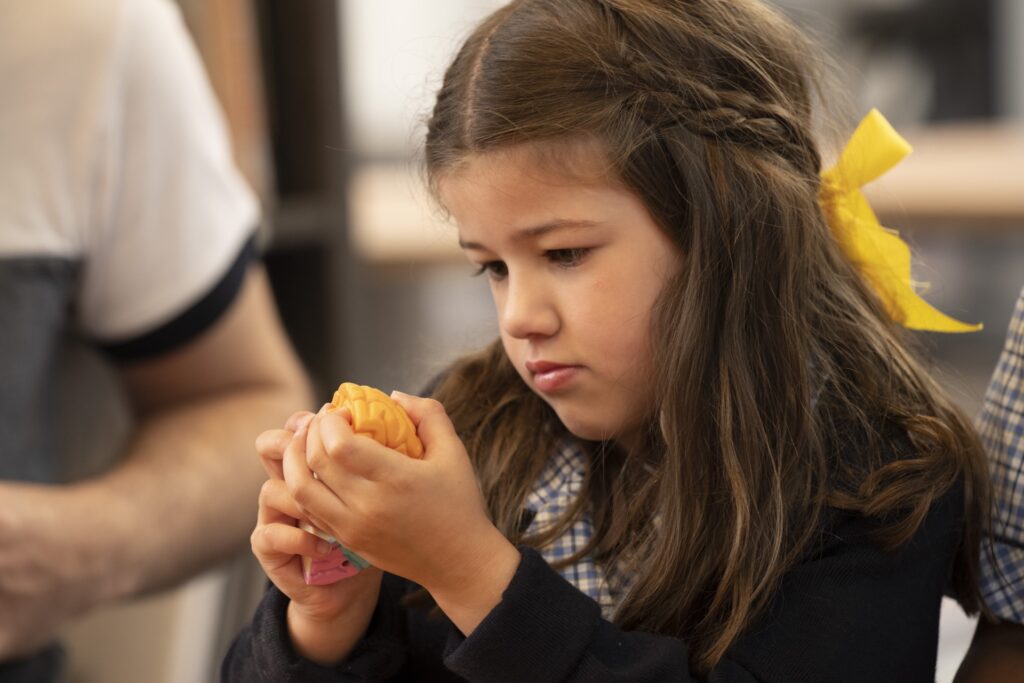
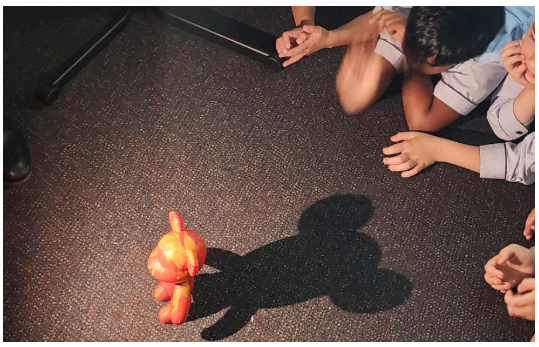
Our junior students in Prep and Year 1 have been learning about the Sun and its importance in our everyday lives. Students have begun by investigating shadows through observation and play-based learning how shadows change depending on the position of the Sun in the sky. Students will use this knowledge to design and create their own shadow puppets before performing in our class shadow puppet theatre.


Year 2 students have been diving deep into the eight planets of our solar system. They have explored the unique features of each planet, including size, temperature and distance from the Sun, while discussing what makes each one special. Students are now working on their own solar system models using recycled materials, linking our STEM learning with Mary Queen of Heaven’s focus on sustainability.

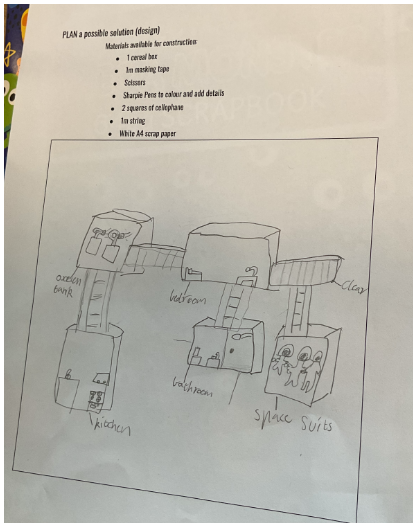
Our Year 3/4 students are investigating what makes Earth the perfect planet to support life and comparing it to our nearest possible alternative – Mars. Students have been exploring the conditions needed for humans to survive, including water, oxygen, food, and shelter. Using this knowledge, students are working collaboratively on a design challenge to create miniature space colony models.


Meanwhile, Year 5/6 students are exploring the science of rockets and the forces involved in launch, including thrust, weight and drag. Students will apply their understanding through an exciting hands-on challenge of designing and launching their own bottle rockets with the goal of achieving stable flight.

Through these engaging learning experiences, students are developing:

  • Scientific inquiry and problem-solving skills
  • Creativity and innovation through design challenges
  • Collaboration and teamwork
  • Curiosity about space, Earth and the universe around us

It has been wonderful to see students so engaged and enthusiastic throughout our Space unit. I am incredibly proud of the creativity and teamwork students are showing in STEM class. 


Greenvale Probus Club

Read Time: ( words)

Dear School Community,

As we celebrate the importance of lifelong learning, connection, and community, we’d like to highlight a wonderful opportunity for our senior family members and retirees — joining a local. Greenvale Probus Club

Probus clubs are designed for retired and semi-retired people who are looking to stay active, social, and engaged in their local community. Membership offers a wide range of benefits, including:

Social Connection
Retirement can bring major lifestyle changes, and staying socially connected becomes more important than ever. Probus clubs provide regular opportunities to meet new people, build friendships, and share experiences with others in a similar stage of life.

Activities and Outings
Members can enjoy a variety of activities such as guest speakers, day trips, lunches, walking groups, book clubs, and cultural outings. These experiences help keep life interesting, enjoyable, and fulfilling.

Mental and Physical Wellbeing
Staying socially and mentally engaged has been shown to support overall wellbeing. Participation in club events, discussions, and recreational activities can contribute to a healthy and active lifestyle.

Community Involvement
Probus offers a chance to remain connected with the wider community, continue learning, and contribute valuable life experience and knowledge.

We encourage grandparents, retired parents, and senior members of our school community to explore their local Probus club and discover the many friendships and opportunities it can bring.

For more information, please visit your Greenvale Probus Club on juliebirrell77@gmail.com  or message Julie for more info 0419803811

Julie Birrell

 
Greenvale Probus Club
0419803811

Penola Catholic College Enrolment Information

Read Time: ( words)

Please see the attached 2028 enrolment flyer from Penola Catholic College including important dates.


Penola Enrolement Yr 7 2028 A5 Newsletter

Skip to content