Skip to content

Mary Queen of Heaven Newsletter Term 1 – Week 6

5th March 2026

A word from the Principal;


Dear families,

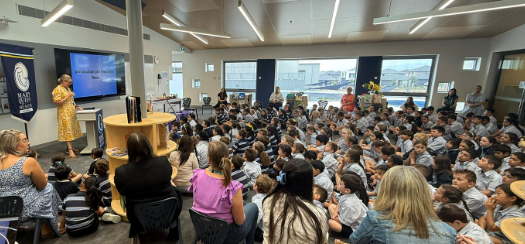
The season of Lent is well and truly upon us. Beginning with Ash Wednesday, we gathered as a school community to celebrate Mass, marking the start of this sacred time in the Church’s year. Together, we received ashes as a sign of reflection, renewal and our commitment to grow closer to God.

Lent is a season that calls us to pause, to pray and to prepare our hearts for Easter. It invites us to turn our attention more intentionally toward living as Christ calls us to live — with compassion, humility and love.

Throughout these forty days, we focus on three key pillars:

  • Prayer – Deepening our relationship with God through conversation and quiet reflection.
  • Fasting – Making small sacrifices that help us grow in self-discipline and gratitude.
  • Almsgiving – Thinking beyond ourselves and supporting those in need through generosity and service.

At school, students will participate in prayer experiences, classroom reflections and opportunities for outreach that help them understand Lent in age-appropriate and meaningful ways. We encourage families to continue these conversations at home — whether through simple family prayers, acts of kindness, or discussing ways to give to others.

As a Catholic community, Lent reminds us of our core purpose: to keep Christ at the centre of all we do. May this season be one of renewal, peace and growth for each of our families as we journey together towards the joy of Easter.

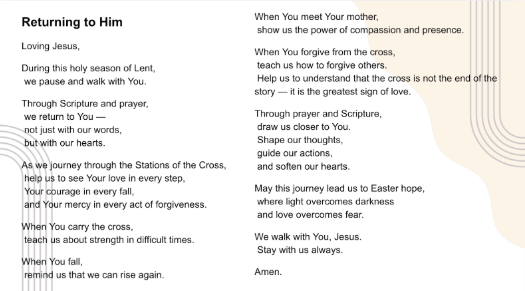
Lord Jesus,

As we journey through Lent, help us to grow closer to You.

Teach us to be kind in our words, generous in our actions,
and loving in our hearts.

Help us to pray each day, to make good choices,
and to care for those in need.

May this Lenten season  bring us closer to You
and prepare our hearts for Easter.


✝️ A Pilgrimage of Faith and Leadership

In the coming weeks, I have been blessed with the opportunity to participate in a pilgrimage alongside fellow Catholic Primary School Principals from the north-west of Melbourne. Together, we will be travelling to Greece and Turkey, following in the footsteps of Saint Paul.

This pilgrimage will take us to significant early Christian sites such as Philippi, Ephesus and other places where Saint Paul preached, taught and formed some of the earliest Christian communities. Walking where he walked and reflecting on his courage, faith and missionary zeal will be a powerful experience.

Why a Pilgrimage?

This enrichment leave is not simply travel — it is an opportunity for deep spiritual renewal and formation as Catholic leaders. As principals, our core business is always the flourishing of our children — academically, socially and spiritually. To lead a Catholic school authentically, we too must continue to grow in faith and understanding.

Time spent in prayer, reflection and learning alongside other Catholic leaders strengthens our capacity to:

  • Remain grounded in our Catholic identity
  • Lead with Gospel values at the centre
  • Nurture faith within our school community
  • Keep Christ at the heart of all decision-making

Pilgrimage invites us to pause, reflect and reconnect with the foundations of our faith. In retracing the missionary journeys of Saint Paul, we are reminded of the importance of courage, hope and unwavering commitment to Christ — qualities that continue to guide our work in Catholic education today.

I look forward to returning enriched, renewed and inspired, ready to continue leading our community with clarity of purpose and deepened faith.

I thank you for your prayers during this special time and for your continued partnership in ensuring our school remains proudly and authentically Catholic.

Dani will lead our school in my absence as Acting Principal and Loretta as acting Deputy Principal, thank you for supporting them in these roles. 

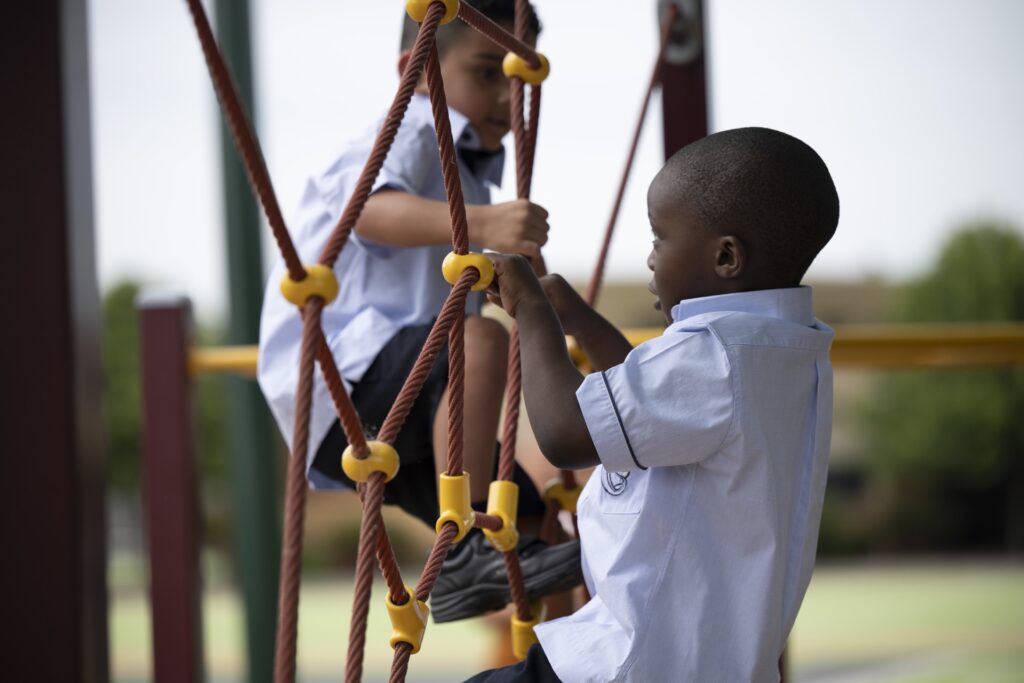
It has been so lovely to see our students settling into the school year. We have worked really hard to prepare our children for the new start and fresh classes and spaces. 


Our Wellbeing programme for the first week so term 1 is all around relationships, building friendships and connection.  Our Prep children are a real highlight during this time.  We spend time role playing friendship scenarios, our staff buddy them up in pairs or small groups so they go out onto the year together and we have more staff out on yard duty during these first weeks to ensure children feel safe and secure. Lunchtime clubs also began this week to ensure our children have an alternative each day to outside play.   


With all of this in place however, some children do find settling into the yard challenging.  Please continue to speak to our staff about this and we can work with you on ways we can further support.  A ‘Friendship Garden’ has been suggested by our student leadership group, this is an idea we are working towards at present… watch this space!


Helping Children Grow Through Challenge

As parents and educators, it is completely natural to want to step in and rescue our children when they face challenges. We never like to see them upset, worried, or struggling. Our instinct is to protect.

However, it is important to pause and reflect on what our children truly need in those moments.

When we consistently step in and solve problems for children, we can unintentionally send the message that the situation is something to fear — or that they are not capable of handling it themselves. Over time, this can reduce their confidence and resilience.

Challenges, disagreements, friendship hiccups, tricky learning tasks, and even small disappointments are all part of growing up. These experiences help children develop problem-solving skills, perseverance, and courage. Each time a child works through something difficult, they build a stronger belief in themselves.

This does not mean we step away or ignore their needs. Rather, we stand beside them instead of in front of them. We guide with questions like:

  • What do you think you could try?
  • Who could help you?
  • What worked last time?

By doing this, we empower our children to develop independence and confidence, knowing they are supported but also capable.

At school, we are committed to nurturing resilient learners who are brave enough to try, to make mistakes, and to grow. Together, as a partnership between home

and school, we can help our children see challenges not as something to fear, but as opportunities to become stronger.


Boundaries will sometimes make children uncomfortable and that is OK.


Support Rescue
Support helps children to learn from challenges

Support helps children to cope

Safe discomfort helps build resilience, independence and confidence

The role of parents and teachers is to provide guidance, not removal of difficulty

Rescue stops a child from developing a sense of accountability

Rescue hinders opportunities to become resilient

Rescue teaches a child that they do not need to stay within expectations or boundaries

Rescue assumes that their opinion is not important


How we can offer safe supported discomfort:

  • Guide decision making rather than taking over
  • Encourage self regulation and reflection of choices
  • Support prioritising social and learning demands
  • Refrain from emphasising your own perspective of discomfort on the child


When things go wrong:

  • Pause and stay calm
  • Maintain boundaries and expectations
  • Allow natural consequences to occur
  • Encourage your child to initiate problem solving of the situation in their own way
  • It is OK for the resolution process to be uncomfortable 


🚗 Keeping Our Children Safe in Cars

In recent weeks we sent home some information in relation to safety in the car.  

The safety of our children is always our highest priority — and that responsibility extends beyond the school gates.

We kindly remind all families of the importance of ensuring that every child travels safely and legally in a vehicle.

Important Car Safety Reminders:

  • All children must be correctly secured in an approved child restraint or booster seat appropriate for their age and size.
  • Children under 7 years old must use an approved child restraint or booster seat.
  • Children under 4 years old must not sit in the front seat.
  • Seatbelts must be worn correctly — across the shoulder and lap, not under the arm or behind the back.
  • Children should remain seated at all times while the vehicle is moving.
  • No child should lean out of windows or move around the vehicle.

Car accidents remain one of the leading causes of serious injury in children. Correct use of car restraints dramatically reduces the risk of injury or death.

As a community, we share a collective responsibility to model and uphold safe behaviours for our children. Even short trips require proper restraints. There are no exceptions when it comes to safety.

If you are unsure whether your child’s restraint is appropriate or correctly fitted, professional fitting services are available across Victoria.

Thank you for working with us to ensure every child arrives at school — and returns home — safely each day.

Together, we can protect what matters most.


📱 Supporting Safe and Healthy Online Habits at Home

At school, we work hard to teach our students how to be safe, respectful and responsible digital citizens. However, the most important learning and supervision happens at home.

With increasing access to devices, online games, social media and chat platforms, we are asking families to remain vigilant in supporting safe technology use.

Key Reminders for Families

  1. No devices in bedrooms overnight
    Phones, tablets, laptops and gaming devices should be charged overnight in a shared family space — not in bedrooms.
    Keeping devices out of bedrooms:
  • Protects children from late-night messaging and exposure to inappropriate content
  • Supports healthy sleep habits
  • Allows parents to supervise online activity
  • Reduces the risk of cyberbullying occurring unnoticed
  1. Carefully monitor chat rooms, games and apps
    Many games and apps include chat features that allow children to communicate with strangers. Even platforms designed for children can expose them to inappropriate language, requests for personal information or harmful content.

We strongly recommend:

  • Disabling chat functions where possible
  • Regularly checking privacy settings
  • Knowing which apps your child is using
  • Setting age-appropriate restrictions
  • Saying “no” to platforms that are not designed for primary-aged children
  1. Delay access to social media
    Most social media platforms have a minimum age requirement of 13 years. Primary school children are not developmentally ready to navigate the complexities of social media safely and independently.
  2. Keep communication open
    Encourage your child to speak with you if:
  • Someone online makes them uncomfortable
  • They are asked to share personal information or photos
  • They see something that worries or confuses them

Children should know they will never be in trouble for telling a trusted adult.


🍫 Thank You for Supporting Our Chocolate Drive Fundraiser

What an incredible community we are!

A heartfelt thank you to all our families who embraced our recent Chocolate Drive Fundraiser with such generosity and enthusiasm. Your willingness to support this initiative speaks volumes about the strength of our school community and the shared commitment we have to the common good of our children.

Fundraising is never just about selling chocolates — it is about partnership. It is about families and school working side by side to create improved opportunities, better resources and enhanced facilities for every child in our care.

Your support truly means the world.

Because of you:

  • We are able to invest in resources that enrich learning.
  • We can continue improving our facilities for our growing school.
  • We strengthen the sense of belonging and shared purpose that makes our community so special.

We understand that fundraising requires time, effort and generosity, and we never take that for granted. The way our families continually step up reflects a deep belief in what we are building together.

When we work in partnership, with a shared vision for our children’s future, amazing things happen.

Thank you for your commitment, your energy and your unwavering support. Together, we are creating something truly special for our children — and that is something worth celebrating.


🚗 Important Parking Reminder – Hillview Road & French Road

To ensure the safety of our students and the smooth flow of traffic at busy times, we would like to remind families of the parking restrictions directly outside the school on Hillview Road and French Road.

The spaces at the front of the school are strictly “Drop and Go” zones.

What this means:

  • Parking is limited to 10 minutes maximum.
  • Drivers must remain with their vehicle.
  • These spaces are for quick drop-off or pick-up only.
  • Vehicles parked for longer than 10 minutes may incur a fine.

Please note that this is a Council-enforced restriction, not a school-based rule. Council officers will be patrolling the area during school drop-off and pick-up times. Fines may be issued to vehicles that exceed the time limit or do not comply with signage.

These restrictions are in place to:

  • Keep traffic moving safely
  • Reduce congestion
  • Protect children crossing near the school
  • Ensure equitable access for all families

We ask all families to be mindful of signage, observe time limits carefully, and model respectful and lawful behaviour for our children.

If you require longer parking, please use surrounding streets where unrestricted parking is available (while always checking signage).

Thank you for your cooperation in helping keep our school community safe and respectful. When we all do our part, drop-off and pick-up can run smoothly for everyone.
 

Learning and Teaching – Literacy

Read Time: ( words)

NAPLAN


NAPLAN begins on Wednesday, March 11th. The National Assessment Program – Literacy and Numeracy (NAPLAN) is a national assessment for students in Years 3, 5, 7 and 9. 


Students complete assessments in:


  • Writing
  • Reading
  • Conventions of Language (spelling, grammar and punctuation)
  • Numeracy


If your child is absent from school on those days, they will have the opportunity to catch up on the test once all year levels have completed their assessments. 


Students have been practising in class and have learnt how to navigate the platform. Teachers are preparing them to the best of their ability; we do not know the types of questions or content that will be included in the assessments. The assessment is also adaptive and adjusts the level of difficulty based on students’ answers. 


How Parents Can Support Their Child at Home

Parents can play an important role in helping children feel calm, confident and prepared for NAPLAN. Reassure your child that NAPLAN is simply a snapshot of their learning, not something to worry about. Encourage them to do their best without rushing, to read each question carefully, and to check their work when time allows. 

It is helpful to remind students that it is okay to skip a question and return to it later if they are unsure. Ensuring your child gets a good night’s sleep, eats a healthy breakfast, and arrives at school on time will also support their focus and wellbeing. Most importantly, maintain a positive, relaxed attitude, as this helps children approach assessments with confidence and resilience.


I have included the public demonstration test for you to look through and complete. 


https://www.nap.edu.au/naplan/public-demonstration-site 


Take Home reading program P-2


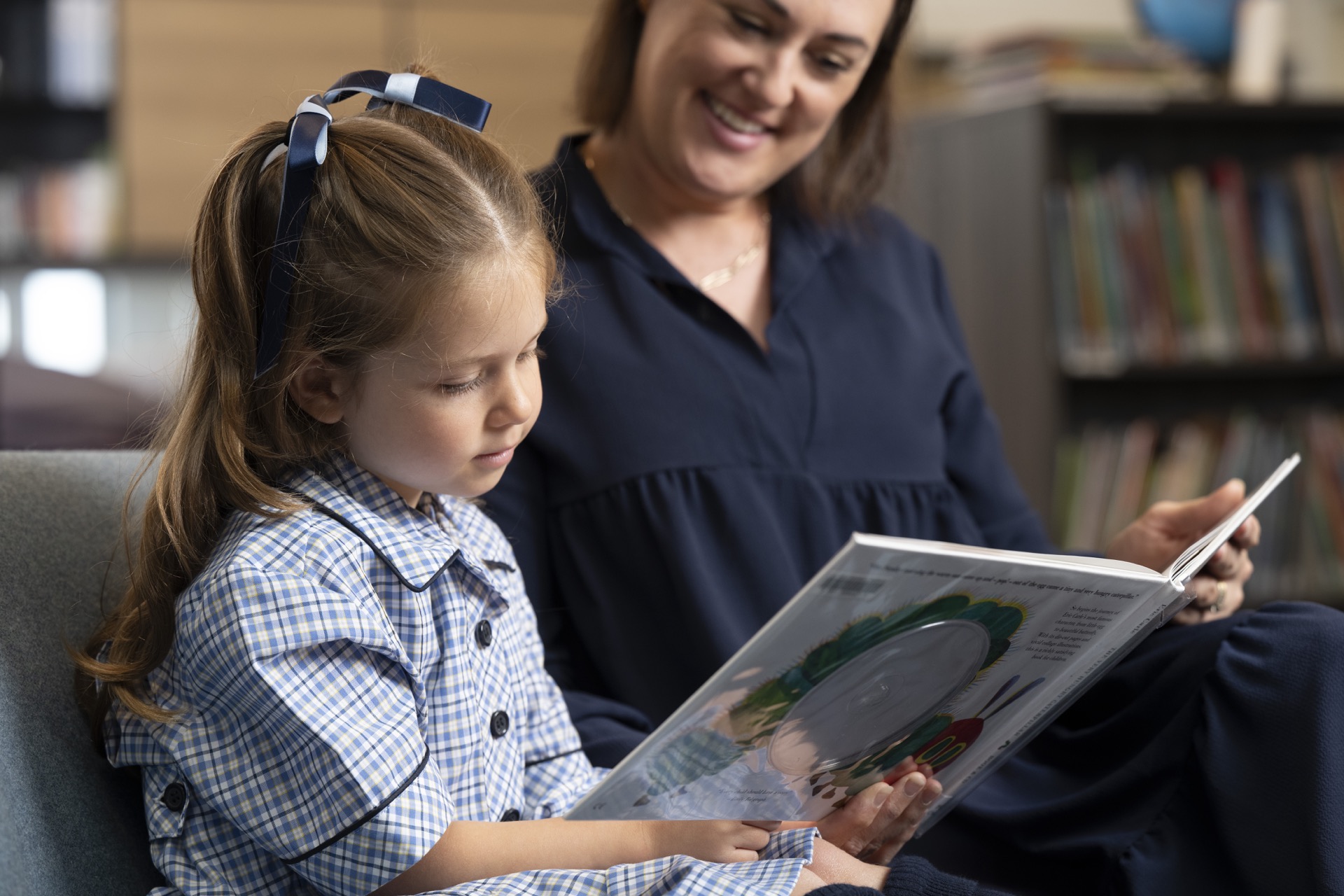
Our children in Grade 1 and 2 have started our take home reading program to support their reading development, as part of our ‘Home Learning Policy’. Educators have utilised data from testing to determine children’s needs and suitable texts from which they can practice at home.  


Though we do not have formal homework, reading every night for at least 10 minutes forms part of our Homework Policy and we strongly encourage this. Children will swap their books throughout the week, under our guidance. 


Our take home reading program is an extension of the reading support your child receives at school. By no means are we expecting you to ‘teach’ your child to read. Our goal is for you and your child to experience joy as they build reading skills and confidence as readers. We will continue to gather data on your child’s progress and needs and explicitly teach the skills that will support them to progress in their reading journey.


At Mary Queen of Heaven, we are committed to supporting children in developing strong reading skills through a structured and engaging approach. Take-home readers are an important part of this. You may notice that they are not assigned based on levels. Instead, children will receive one of two types of texts, depending on their learning needs:


🔹 Decodable Texts – These books help children practice the sounds they have been explicitly taught. They encourage children to segment (break down) and blend (put together) sounds to read words with increasing confidence.

🔹 Interest-Based Texts – These books are chosen to foster a love of reading and expose children to rich language and ideas. While they may contain words that are not fully decodable, they provide opportunities for discussion, comprehension, and engagement with texts that spark curiosity. We encourage families to enjoy these books together—celebrating progress, talking about the stories, and making reading an enjoyable experience at home.


If you have any questions about this program, please reach out to your child’s Educator.


Dani De Luca

Deputy Principal and Literacy Leader

Learning and Teaching – Maths

Read Time: ( words)

Mathematics is well underway across the school, with a strong focus on building deep understanding, fluency and confidence.

Junior Years (Prep–Year 2)

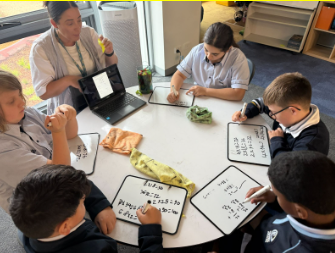
Our junior students have recently completed important beginning-of-term assessments. These have enabled educators to form targeted learning groups within our explicit model of instruction.

This means:

  • Children who require additional support receive focused teaching aligned to curriculum expectations.
  • Children who are ready for extension are challenged to deepen and broaden their understanding.

In classrooms:

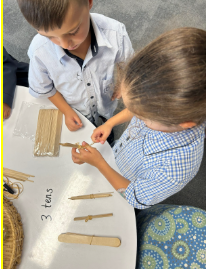
  • Prep and Year 1 students are developing their understanding of place value and counting, building strong number foundations that will support all future mathematical learning.
  • Year 2 students are exploring time, including reading calendars and understanding analogue clocks — an important real-world life skill.

Our senior learners are already well into their first cycles of mathematics learning for the year.

  • Years 3–4 have completed their initial unit on place value and are now consolidating their addition and subtraction facts to improve accuracy and efficiency.
  • Years 5–6 have completed their first unit on data and are now exploring the properties of numbers, including multiples, factors and prime numbers.

A strong understanding of number relationships supports reasoning, problem solving and algebraic thinking in later years.

At home, families can support learning by encouraging children to quickly recall their multiplication facts to 10. Fluency in these facts significantly supports confidence and efficiency across many areas of mathematics.

Learning and Teaching – RE

Read Time: ( words)


🌿 A Sacred Season of Lent

As a faith community, we have begun the sacred season of Lent with our Ash Wednesday Mass — a meaningful time of prayer, reflection and renewal. Lent invites us to pause, turn our hearts back to God, and prepare for the joy of Easter through prayer, fasting and almsgiving.

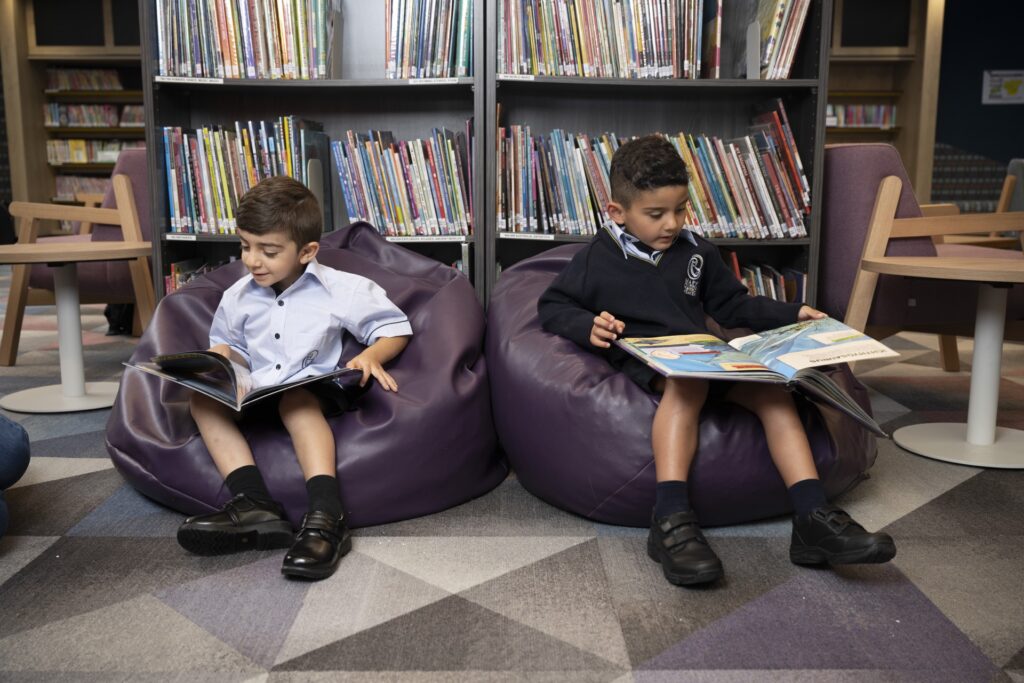
During Mass, students reverently received ashes as a sign of repentance and hope — a reminder that we are called to grow, change and begin again. We were also blessed to celebrate this special liturgy in our new library space, a beautiful setting that reflects the continued growth of our community. Thank you to the families who were able to join us. Your presence strengthens the bonds of our faith community and reminds our students that we journey together in prayer and hope.


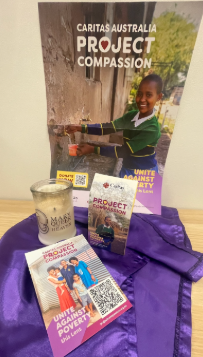
💜 Project Compassion

Throughout Lent, our students are participating in Caritas Australia’s Project Compassion. Each family received prayer cards to support reflection at home, helping us unite our prayer with action.

Project Compassion encourages us to look beyond ourselves and respond to the needs of others with generosity and compassion. As a community, we are reminded that even small acts of giving can make a powerful difference in the lives of others around the world.

We thank our families for supporting this important initiative and for modelling almsgiving in practical and meaningful ways.

✝ Reconciliation Preparation – Please Keep Our Grade 3 Students in Your Prayers

This term, our Grade 3 students are preparing to celebrate the Sacrament of Reconciliation. This is a special and sacred milestone in their faith journey.

We ask our community to keep our students and their educators in your prayers as they learn about forgiveness, mercy and the loving embrace of God. Through prayer, reflection and family workshops, our students are deepening their understanding that God’s mercy is always available — and that reconciliation is a gift that allows us to begin again.  


Walking in the Footsteps of St Patrick 

Catholic Education Week 16-22 March 2026 

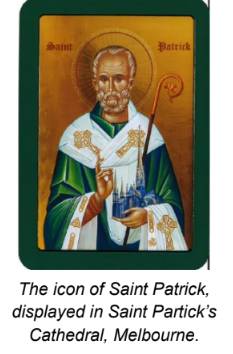
The theme for Catholic Education Week 2026 is Christ beside me: Walking in the footsteps of Saint Patrick. The Archbishop’s theme celebrates the significance of Saint Patrick, the patron saint of our local Church in Melbourne.
Last year, as part of our Jubilee Year and Catholic Education Week, a striking new icon and depiction of Saint Patrick was unveiled and blessed by Archbishop Peter A Comensoli in front of thousands of students, educators, and special guests. Saint Patrick’s Cathedral, our mother church, is named after the saint of Ireland, and is a reminder that Australia’s migrants have always brought their religion with them.


Who was Saint Patrick?

Patrick’s life was not easy. As a young boy he was taken from his home and brought to Ireland as a slave. During that lonely and difficult time, he turned to prayer and discovered a deep relationship with God. Later, after escaping and returning home, he chose — with remarkable courage — to go back to Ireland as a missionary to share the Good News.
His journey reflects the words of Jesus in the Gospel of Matthew 5:16:

“Let your light shine before others, that they may see your good deeds and glorify your Father in heaven.”

What Does It Mean for Us?

Walking in Patrick’s footsteps today might mean:

🌿 Trusting God during challenging times

☘️ Sharing our faith with courage

💬 Using our words to teach and encourage others

🙏 Turning to prayer when we feel alone

💚 Living as missionary disciples in our own community

Patrick used something simple — a shamrock — to explain the mystery of the Trinity. He reminds us that we don’t need grand gestures to share faith; we simply need openness and trust.

As we continue our Lenten journey, may we follow in the footsteps of Saint Patrick — shining Christ’s light with courage, humility and hope.

Term 1 2026 – Class Mass Dates:  

Friday 13th March at 12.00pm – Grade 2

Tuesday 24th March at 12.00pm  Sacrament of Reconciliation  – Grade 3/4.

Friday 27th March at 12.00pm – Grade 5/6

Learning and Teaching – Inquiry

Read Time: ( words)

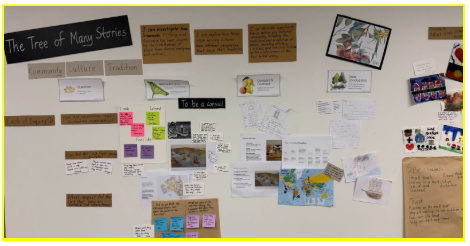
Prep – Year 2: Family, Community and Tradition

In our early years, children have been diving deeply into family, community and traditions discovering the many threads that make up the rich and diverse tapestry of Greenvale.

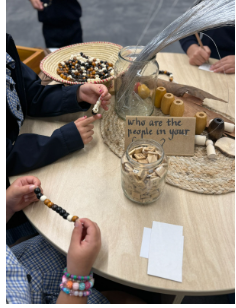
Within our Corroboree spaces (educator-led inquiry environments), children have been representing their families and sharing stories about their cultures and traditions.

  • In Prep, children have worked with natural materials ( stones, leaves, sticks and earth elements) to symbolically represent their families and connections.
  • In Years 1 and 2, children have used wire, beads and clay to create meaningful pieces that reflect their heritage, celebrations and family structures.

These hands-on creative encounters allow children to think deeply and speak confidently. The materials act as a bridge, giving children a way to express complex ideas about identity and belonging in a safe, accessible and joyful way. 


Years 3–6: The Events That Shaped Our Nation

In our senior years, students have been exploring the significant historical events that have shaped Australia into the nation we know today.

From honouring and acknowledging Australia’s rich and enduring Indigenous heritage, to examining the arrival of the First Fleet, to investigating the innovations and developments that helped build Melbourne, students have been analysing change, impact and perspective.

Across all year levels, our Inquiry learning is nurturing thoughtful, reflective and compassionate citizens — children who understand that identity is layered, history is complex, and community is something we build together.

Learning and Teaching – Wellbeing

Read Time: ( words)

Inform and Empower 

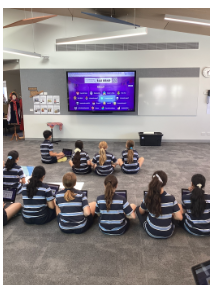
In 2026, our students will participate in Inform & Empower’s Cyber Safety & Digital Wellbeing Program. Across the year, they will engage in termly live-streamed incursions designed to build their knowledge, confidence and skills in navigating the online world safely and responsibly.

Topics include Digital Literacy, Healthy Digital Habits, Critical Thinking, Cyberbullying, Online Security, being an Upstander, Help-Seeking, Consent and Artificial Intelligence.

Inform & Empower is endorsed by the eSafety Commissioner as a Trusted eSafety Provider. Together, we are committed to creating a safer, more positive digital world for our students.

This Term our Classes have engaged in Live streamed incursions with the following focus: 

  • Foundation students will focus on making clever screen time choices (where and when), taking care of devices, and learning how to share devices respectfully.
  • Year 1 and 2 students will build their understanding of what the internet is, recognise early warning signs online, and identify trusted adults who can help them.
  • Year 3 and 4 students will deepen their Digital Citizenship knowledge, with a focus on understanding digital footprints and how their online actions have lasting impacts.
  • Year 5 and 6 students will further explore Digital Citizenship through learning about digital footprints, online identity, keeping devices and accounts secure, and the importance of strong passwords.

We continue working together to equip our students with the skills and confidence to navigate the digital world safely and responsibly.


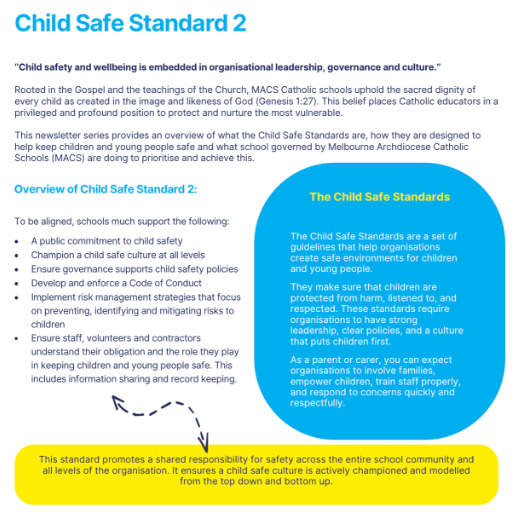
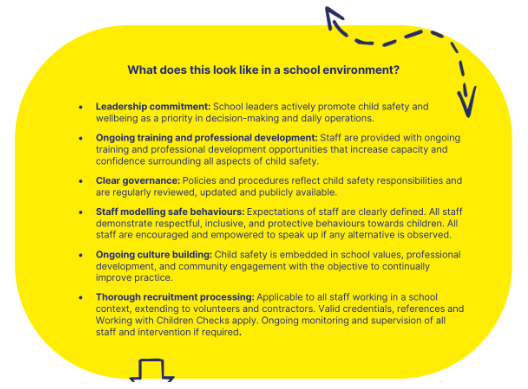
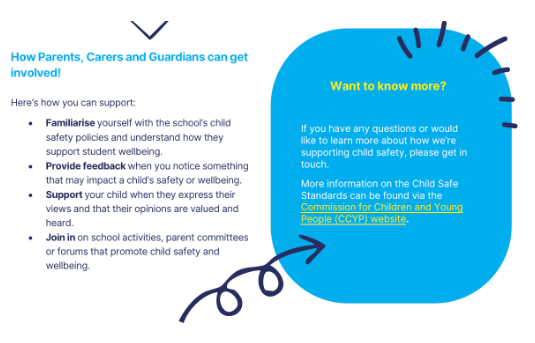
Child Safety

Read Time: ( words)


Learning Diversity

Read Time: ( words)

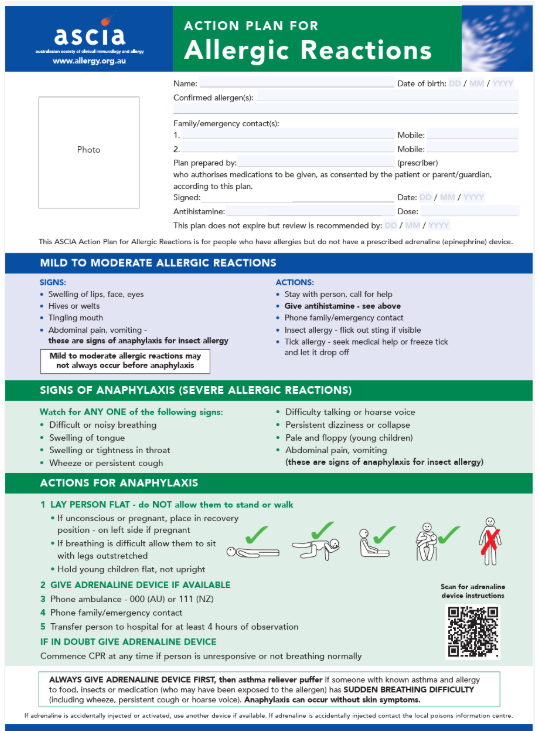
ANAPHYLAXIS


The World Allergy Organization Anaphylaxis Committee definition of anaphylaxis is:
A serious systemic hypersensitivity reaction that is usually rapid in onset and may cause death.
Severe anaphylaxis is characterised by potentially life-threatening compromise in Airway, breathing and/or circulation.

At Mary Queen of Heaven, all staff are trained in Anaphylaxis management and response annually. 

  • Emergency autoinjectors are kept on site. 
  • All medications travel with students on excursions and camps. 
  • Sharing of food is prohibited

What can you do to support the safety of students with anaphylaxis

  • Do not send students to school with whole nuts in their lunchbox
  • Teach children to thoroughly wash hands after eating
  • Avoid sending shared birthday treats that contain allergens such as egg, nuts, sesame

If you are interested in your own personal emergency management training for anaphylaxis, please see the following site: https://training.ascia.org.au/


ALLERGIES

Although less serious, allergies can also be uncomfortable and interrupt learning. 

The Royal Children’s Hospital has a site dedicated to unpacking frequently asked questions about allergies. https://www.rch.org.au/kidsinfo/fact_sheets/Allergic_and_anaphylactic_reactions/


If your child has an allergy that is likely to affect them at school, please go to the doctor, obtain an allergy plan and provide treatment medication to the school. This includes hayfever.


A word from our specialist

Read Time: ( words)

FROM THE ART STUDIO…

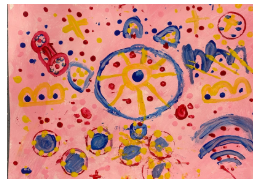
This term in Visual Arts, the students from grade 1-6 have been exploring Indigenous art and learning how symbols can be used to tell meaningful stories. 

Inspired by the rich storytelling traditions of Aboriginal and Torres Strait Islander peoples, students have discovered how artists use simple shapes, lines and repeated patterns to represent people, places, journeys and events. We discussed how Aboriginal artworks are created from an aerial (bird’s-eye) view and how symbols are carefully chosen to communicate important stories about land, family and culture.

Students reflected on their own lives and created personal artworks that tell their story through symbols. They considered:

  • Who is important in my life?
  • What places matter to me?
  • What is in my local area around my house?

Using their own set of symbols, students planned and created artworks that show connection, movement and meaning. They focused on thoughtful composition, repetition of pattern, and careful colour choices to strengthen their visual message.

Through this unit, students have developed:

  • An understanding of how art can communicate ideas and stories
  • Respect for Indigenous perspectives and storytelling traditions
  • Skills in using symbols, pattern and aerial viewpoints in their own work


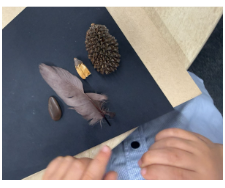
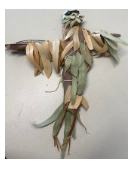
The grade 3/4 children listened to the dreamtime story of Bunjil and created their own Bunjil using found items in the environment.

We are so proud of the way students have approached this learning with creativity and respect. Their artworks beautifully reflect their personal stories while building an appreciation for one of the world’s oldest continuing artistic traditions.


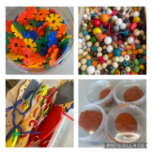
Our Prep students have been busy building their fine motor skills through a range of engaging, hands-on activities. From threading to drawing, painting and creating, each experience has helped strengthen the small muscles in their hands and fingers — an important foundation for writing and everyday tasks.

The children have especially loved spending time in the Art Studio. They are growing in confidence as they explore different materials, practise new skills and express their creativity in a welcoming and inspiring space. It has been wonderful to see their enthusiasm and pride in their work!

School Photos

MQH PROMO 4
Read Time: ( words)

We are pleased to announce that school photos will take place on Tuesday the 21st of April in Term 2. The Advanced Photography site is now ready for parents to order their preferred packages online


Scholastic Book Fair

Read Time: ( words)

Mary Queen of Heaven will be hosting our very first Scholastic Book Fair beginning Wednesday the 25th of March.

More details to come!


Bronco’s Basketball

Read Time: ( words)

Skip to content